Saturday, February 28, 2026

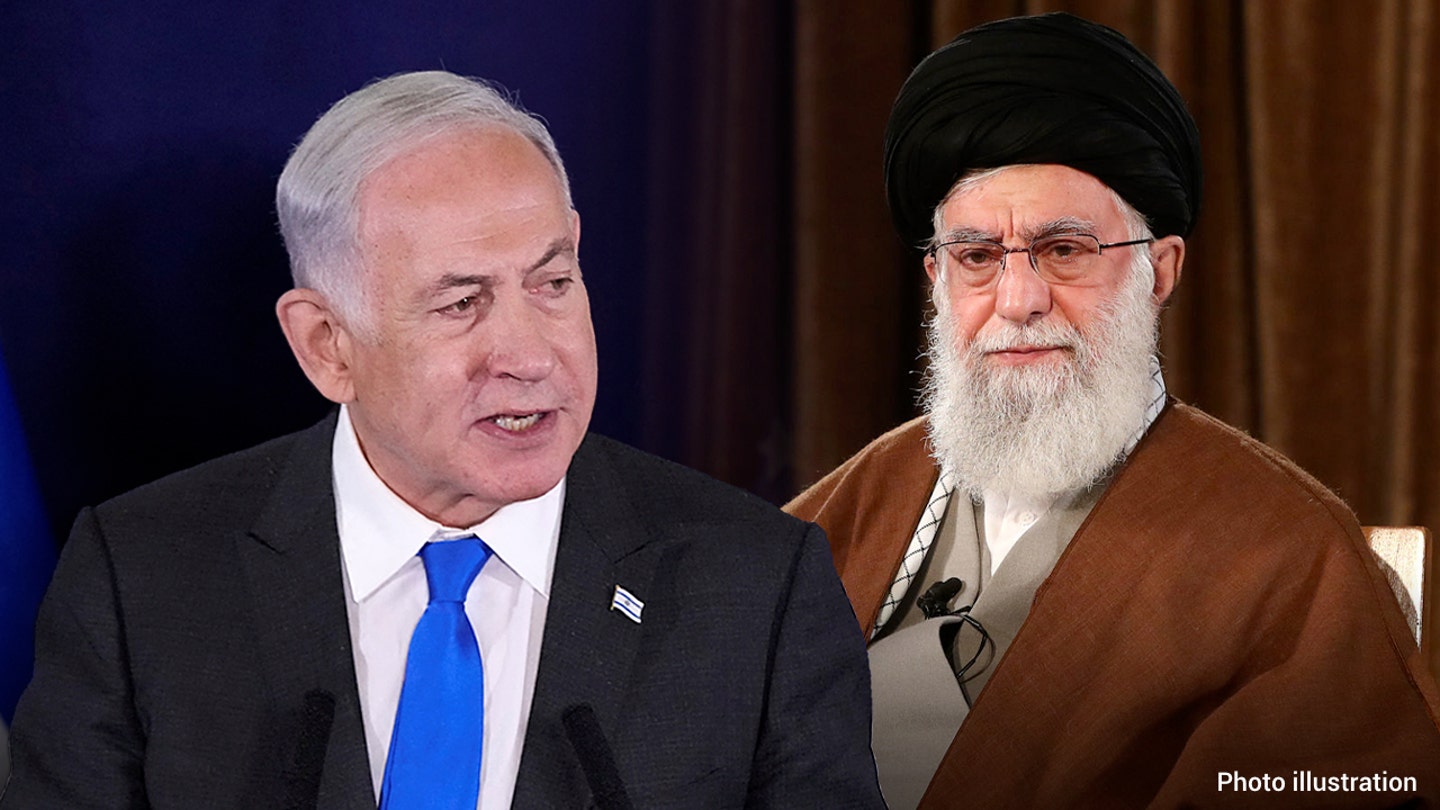
Official announcement by Donald Trump - Ayatollah Al Khamenei is dead.

 Official announcement by Donald Trump - Ayatollah Al Khamenei is dead.


#Iran, #Khamenei, #BreakingNews, #MiddleEast, #War


🔥 Primary Trending Keywords

These are high-impact terms related to current events:

  • Iran Supreme Leader death

  • Khamenei death confirmed

  • Netanyahu on Iran’s leader

  • Iran Israel conflict 2026

  • Iran supreme leader killed

  • Iran war breaking news

  • Israel Iran escalation

  • Middle East crisis 2026

  • World news Iran leader

📌 Long-Tail Keywords (Great for ranking fast)

Longer search phrases with lower competition:

  • “Iran Ayatollah Khamenei death confirmed live updates”

  • “Netanyahu report on Iran supreme leader death”

  • “What happens if Iran’s supreme leader dies 2026”

  • “Iran Israel conflict impact global politics”

  • “Analysis of Iran leadership succession 2026”

  • “Iran reaction to Khamenei death claims”

  • “Satellite imagery Tehran attack news”

  • “Middle East war latest news U.S. Israel Iran”

🔁 Supporting Semantic Keywords

Include these throughout the text (headers, first 150 words, and meta description):

  • Tehran attack

  • Iranian regime

  • Assembly of Experts

  • Global security implications

  • Persian Gulf tensions

  • U.S.–Israel military operations

  • Geopolitical fallout

  • Iran retaliation

  • Gulf region conflict


🧠 2. Optimize for Search Engines (SEO Best Practices)

🔹 Meta Title (60–70 characters)

Examples:

  • Iran Supreme Leader Death Reported — Khamenei Dead? Latest Updates

  • Breaking: Netanyahu Says Iran’s Ayatollah Khamenei Confirmed Dead — 2026 Developments

🔹 Meta Description (140–160 characters)

Examples:

  • Latest: Reports claim Iran’s Supreme Leader Khamenei is dead after U.S.–Israel strikes. Netanyahu comments, global reactions, and conflict updates.

  • Breaking news: Iran’s Ayatollah Khamenei reportedly killed. What this means for the Middle East conflict and world security. Read the full analysis.

🔹 Use Headings Strategically (H1, H2, H3)

Search engines favor structured content. Example header path:

  • H1: Iran Supreme Leader Death Confirmed? Breaking Report

  • H2: What We Know: Netanyahu Statement & Conflicting Claims

  • H2: Who Was Ayatollah Khamenei?

  • H2: Possible Impact on Iran and the Middle East

  • H2: Global Reactions & Security Implications

  • H3: What Happens Next If the Report Is True?

  • H3: FAQs Around Iran Leadership Succession

🔹 Internal & External Linking

  • Link internally to related posts on your blog (e.g., Middle East war updates, Israel–Iran conflict timeline).

  • Link externally to trusted news sources like Reuters, AP, BBC, Al Jazeera (these help SEO credibility).


🚀 3. Hook Lines to Go Viral

Your headline or first sentence determines whether someone clicks, shares, or scrolls past. Use emotional triggers, urgency, and curiosity:

🔥 Viral Hook Lines (Copy-Paste)

  1. “BREAKING: Iran’s Supreme Leader Reportedly Dead — World on Edge.”

  2. “Netanyahu Claims Khamenei Is Dead — Global Shockwaves Rip Through Middle East.”

  3. “Exclusive: Iran Leader Killed? What This Means for the 2026 Conflict.”

  4. “Massive Turning Point — Iran Supreme Leader Reportedly Eliminated After Strikes.”

  5. “2026 World Crisis: Iran’s Most Powerful Man Is Reportedly Dead.”

  6. “Live Update: Netanyahu Says Khamenei Has Been Found Dead — Conflicting Reports Emerge.”

  7. “History in the Making — Iran’s Top Leader Reportedly Killed in Major Strikes.”

  8. “If Iran’s Supreme Leader Is Dead — The World Will Never Be the Same.”

  9. “Breaking Now: Iran in Chaos After Supreme Leader Death Report.”

  10. “Unconfirmed But Explosive — Khamenei Reported Dead After U.S.–Israel Assault.”

🧠 Emotional + SEO Hook Formulas

Use these structures to craft headlines that rank AND convert:

  • [Breaking Event] + [Leader Name] + [Conflict Word]

  • What Happens Next If [Event] Happens

  • Exclusive: [Report] Explained

  • Latest Update: [Breaking Claim] + [Location]

  • Why [Event] Might Change [Wide Theme] (Global Politics, Security, Oil Markets)


📣 4. Marketing & Distribution Plan

🔊 Social Media

  • Twitter: Use trending hashtags like #Iran, #Khamenei, #BreakingNews, #MiddleEast, #War.

  • Reddit: Post in r/worldnews, r/geopolitics, r/MiddleEast.

  • LinkedIn: Publish a shorter thought-leadership version with executive summary and global impact.

  • Facebook: Share clearest hook + image carousel + “read more” link.

📨 Newsletters

Send as a breaking alert with a compelling hook:

  • “Exclusive Report: Is Iran’s Supreme Leader Really Dead?”

  • Provide 3 bullet takeaways and link back to the full article.

📊 Visual Boost (Vital for Virality)

  • Use infographics summarizing the report.

  • Add timeline visuals of attacks and responses.

  • Deploy maps showing locations mentioned.


📷 Suggested Visual Tags

Use ALT text that supports SEO:

  • “Map of Iran highlighting reported attack on Supreme Leader compound”

  • “Global reaction to death of Ayatollah Ali Khamenei”

  • “Timeline of strikes on Tehran 2026 Middle East conflict”

  • “Netanyahu address on Iran leadership situation”


⏱ Frequency & Updates

Because this is breaking news, update often:

  • Update #1: Within 1 hour with confirmation/denial details

  • Update #2: Within 3–6 hours with reactions from world leaders

  • Update #3: Next day with analysis of political implications

Search engines boost frequently updated content around fast-moving events.


📌 Quick Checklist Before Publishing

✔ Title optimized with primary keywords
✔ Meta description written
✔ Headers structured (H1, H2, H3)
✔ Keywords naturally sprinkled every 150–250 words
✔ Internal and external links included
✔ Images with SEO alt text
✔ Social hook lines prepared


“BREAKING: Iran’s Supreme Leader Reportedly Dead — World on Edge.”


BREAKING: Reports Claim Death of Iran’s Supreme Leader Ayatollah Ali Khamenei Amid U.S.–Israel Strikes — What We Know So Far

In an extraordinary and rapidly evolving development, multiple international sources report that Iran’s Supreme Leader, Ayatollah Ali Khamenei, may have been killed during joint U.S.–Israeli military strikes on Tehran. This claim, first circulated on February 28, 2026, marks a dramatic escalation in the already volatile Middle East and could have profound geopolitical consequences.

At the same time, major global news agencies and Iranian official channels have provided contradictory statements, with Tehran denying the reports so far. As of now, there is no independent verification from Iranian authorities confirming Khamenei’s death.

This article provides a detailed, fact-checked overview of the situation, the conflicting claims, historical context, and the potential implications of this dramatic development on global politics and regional security.


Who Is Ayatollah Ali Khamenei? A Brief Profile

Ayatollah Ali Khamenei became Supreme Leader of Iran in 1989, following the death of the Islamic Republic’s founder, Ayatollah Ruhollah Khomeini. As supreme leader, he held ultimate authority over Iran’s political, military, and religious institutions, including control of the military and the Islamic Revolutionary Guard Corps (IRGC).

Over more than three decades, Khamenei shaped Iran’s domestic and foreign policy, cementing Tehran’s position as a key power broker in the Middle East. His leadership was defined by:

  • Strong anti-U.S. and anti-Israel rhetoric

  • Support for proxy armed groups such as Hezbollah and Hamas

  • Firm control of internal dissent and political opposition

  • A strategic drive to expand Iran’s regional influence through military and political means

Khamenei was 86 years old, a factor that has long fueled speculation about succession planning within Iran’s political hierarchy even before recent conflict escalations.


Missile debris found on the streets of Dubai amid missile attack by Iran on UAE.


Joint U.S.–Israeli Strikes: The Context Behind the Reports

The claims about Khamenei’s death come amid one of the largest military offensives against Iran in decades. In the early hours of February 28, 2026, U.S. and Israeli forces launched coordinated strikes on multiple sites across Iran, targeting military infrastructure and senior leadership compounds.

Israeli Prime Minister Benjamin Netanyahu stated publicly that there were “many signs that Khamenei is no longer alive” after the compound linked to the supreme leader was heavily damaged in the attack. However, he stopped short of issuing a formal confirmation.

A senior Israeli source told Reuters that Khamenei’s body had been found and recovered from the rubble of his compound, suggesting that he had been killed in the strikes.

At the same time, Iranian officials have denied these claims, with state media quoting a source close to the supreme leader’s office asserting that Khamenei is “steadfast and firmly commanding the field.”

As such, confirmation remains divided, with no independent third-party verification available at the time of writing.


Contradictions and Denials: Why the Situation Remains Unclear

The conflicting narratives have emerged from different official and unofficial outlets:

Claims That Khamenei Is Dead

  • Israel’s government and military sources have stated that Khamenei was killed in strikes on his compound.

  • Several Western media outlets, citing Israeli officials, reported that his body was recovered following the attack.

  • Some regional analysts and independent commentators have treated these claims as credible given the extent of the aerial bombardment.

Official Denials from Tehran

  • Iranian state media and government officials have dismissed death reports, saying Khamenei remains in command.

  • Iranian Foreign Ministry statements and state broadcaster comments indicate that he is alive and leading response efforts.

  • A planned televised address from Khamenei did not occur, which has added to the confusion and speculation.

Because of these conflicting accounts, international news organizations and governments are treating the situation with caution, waiting for definitive proof before declaring the event confirmed.


Why This Matters: Strategic and Regional Implications

If Khamenei were indeed killed in these strikes, the implications would be monumental across multiple domains:

1. Political Vacuum in Tehran

As supreme leader, Khamenei held ultimate authority in Iran’s political system. His unexpected death would instantly create a leadership vacuum, raising urgent questions about succession and stability.

Iran’s constitution gives the Assembly of Experts — a clerical body — the authority to appoint a successor. However, the process is typically deliberative and could be fraught with internal power struggles, especially if hardliners in the IRGC or rival clerical factions compete for control.


2. Potential Escalation of Middle East Conflict

The strikes that reportedly killed Khamenei are part of a broader military confrontation involving:

  • U.S. and Israeli forces

  • Iranian missile and drone responses across the region

  • Attacks targeting U.S. military bases and allied Gulf states

This escalation has already disrupted global geopolitics, caused sharp movements in energy markets, and heightened fears of a larger regional war.


3. Effects on Global Security and Diplomacy

The world’s major powers are closely monitoring the situation:

  • The U.N. Security Council convened emergency talks following the strikes.

  • Global leaders have called for de-escalation and restraint to avoid widespread conflict.

  • Oil markets have reacted strongly to the prospect of further instability in the Persian Gulf.

Any confirmation of Khamenei’s death would likely intensify these diplomatic efforts, as governments seek to prevent a full-scale regional war.


The Path Ahead: What to Expect Next

At this stage, the reported death of Ayatollah Ali Khamenei remains unverified by Iranian authorities. Analysts and governments will continue to assess satellite data, official statements, intelligence assessments, and independent reporting.

Here are the key developments to watch for:

  • Official confirmation or denial from Iranian state media or government sources

  • Statements from the U.S. or Israeli governments clarifying the outcome

  • Assembly of Experts actions or announcements regarding succession

  • Regional military and diplomatic responses

  • Statements from global powers such as China, Russia, and the EU


Conclusion: A Pivotal Moment in Middle East History

Reports claiming the death of Iran’s Supreme Leader Ayatollah Ali Khamenei represent one of the most consequential developments in recent Middle Eastern history. While Israeli and some Western sources assert he has been killed, Iranian state media continues to deny the reports, leading to a complex and rapidly shifting news environment.

Whether confirmed or not, the situation underscores how deep the conflict has become, how volatile regional dynamics are, and how unpredictable the future may be for Iran and its neighbors.


  • Iran Supreme Leader death

  • Khamenei death confirmed

  • Netanyahu on Iran’s leader

  • Iran Israel conflict 2026

  • Iran supreme leader killed

  • Iran war breaking news

  • Israel Iran escalation

  • Middle East crisis 2026

  • World news Iran leader


  • “Iran Ayatollah Khamenei death confirmed live updates”

  • “Netanyahu report on Iran supreme leader death”

  • “What happens if Iran’s supreme leader dies 2026”

  • “Iran Israel conflict impact global politics”

  • “Analysis of Iran leadership succession 2026”

  • “Iran reaction to Khamenei death claims”

  • “Satellite imagery Tehran attack news”

  • “Middle East war latest news U.S. Israel Iran”

  • Dubai International Airport Shut Down Amid Iran Missile Escalation: Global Aviation Network Disrupted


    Dubai International Airport Shut Down Amid Iran Missile Escalation: Global Aviation Network Disrupted

    Dubai has effectively shut down. The world’s busiest international airport is closed indefinitely following escalating regional tensions and missile activity across Gulf airspace.

    On February 28, Dubai Airports confirmed that operations at both Dubai International Airport (DXB) and Al Maktoum International Airport (DWC) were suspended due to safety concerns. More than 280 flights were cancelled
    , with at least 250 additional delays, as Iranian ballistic missiles were reported moving through regional airspace.

    This is not a routine disruption. It is one of the most significant aviation shutdowns in modern Middle Eastern history — and its ripple effects are being felt across the global air transport system.


    Why Dubai’s Airport Closure Is a Global Aviation Crisis

    Dubai International Airport is not just another international hub. For years, DXB has ranked as the world’s busiest airport for international passengers, serving as the primary transit bridge between Asia, Europe, Africa, and the Middle East.

    When Dubai’s airspace closes, global aviation does not simply reroute — it fractures.

    Flights connecting Mumbai to London, Singapore to Frankfurt, Nairobi to New York, and dozens of other high-traffic routes typically pass through Gulf air corridors. With missile activity forcing airspace restrictions, airlines have had no choice but to cancel flights, suspend operations, or undertake costly thousand-mile detours.


    Major Airlines Grounded or Rerouting Flights

    The scale of airline disruption underscores the seriousness of the crisis. Among those impacted:

    • Emirates – Grounded

    • Etihad Airways – Grounded

    • Qatar Airways – Suspended all flights to and from Doha after Qatari airspace closure

    • Air India – Suspended all Middle East operations indefinitely

    • Turkish Airlines – Suspended flights to Bahrain, Iraq, Iran, Jordan, Kuwait, Lebanon, Oman, Syria, Qatar, and the UAE

    • Lufthansa – Dubai operations suspended

    • Air France – Tel Aviv and Beirut routes suspended

    • Wizz Air – Suspended Israel, Dubai, Abu Dhabi, and Amman routes until March 7

    • British Airways – Operations affected

    • Virgin Atlantic – Operations affected

    • Japan Airlines – Operations affected

    Additional carriers including Norwegian Air, LOT Polish Airlines, Scandinavian Airlines, Aegean Airlines, Iberia, Air Arabia, PIA, Saudia, and Air Algerie have either grounded aircraft or rerouted services.

    Low-cost carrier IndiGo announced suspension of flights to Almaty, Baku, Tashkent, and Tbilisi until March 28, indicating that the disruption may extend far beyond a temporary security pause.

    This is no longer a localized event — it is a systemic shock to global aviation infrastructure.


    Airspace Closure and Regional Security Concerns

    The closure follows missile activity linked to escalating tensions involving Iran and regional actors. The shutdown also came amid broader Gulf airspace restrictions, including reported closures affecting Qatar and Bahrain.

    The strategic location of the United Arab Emirates places it at the crossroads of some of the world’s busiest aviation corridors. When missile trajectories intersect with commercial flight paths, aviation authorities have little choice but to ground traffic.

    Safety protocols require immediate suspension when ballistic missile risk enters civilian flight corridors. The decision reflects international aviation standards designed to prevent tragedies similar to past airspace conflict disasters.


    Oil Prices Surge as Strait of Hormuz Tensions Rise

    The aviation crisis is unfolding alongside rising energy market volatility.

    Oil prices have reportedly surged past $100 per barrel, driven by fears that conflict could threaten the Strait of Hormuz, the strategic waterway through which approximately 21 million barrels of oil per day transit.

    Airlines now face a double financial blow:

    1. Increased fuel consumption from longer rerouting paths

    2. Higher fuel prices due to geopolitical instability

    For an industry already operating on narrow profit margins, these combined pressures create a compounding financial strain.

    Every additional hour of Gulf airspace closure magnifies economic losses across global carriers.


    Economic Impact on Dubai and the UAE

    Dubai’s economy is built on connectivity. Tourism, trade, logistics, financial services, and international business all rely on seamless air access.

    DXB is not just an airport — it is the backbone of Dubai’s economic model.

    The United Arab Emirates has long positioned itself as a neutral, stable, and secure hub in a volatile region. The sudden suspension of its primary aviation gateway challenges that perception and introduces new economic risks.

    Reports indicate that missile debris caused at least one civilian fatality in Abu Dhabi, underscoring the broader security implications for the UAE.

    If the shutdown extends beyond several days, impacts could include:

    • Tourism cancellations

    • Supply chain disruptions

    • Delays in cargo shipments

    • Financial market volatility

    • Reduced investor confidence


    Global Aviation Network Under Pressure

    Dubai functions as one of the world’s most critical aviation nodes. When a major hub like DXB goes offline, cascading effects ripple outward:

    • Aircraft rotation schedules collapse

    • Crews exceed legal duty hours

    • Airport slots become misaligned

    • Cargo supply chains stall

    • Insurance premiums increase

    Flights that typically cross the Gulf must now detour over alternative corridors, adding significant flight time and fuel burn. Some long-haul routes may become temporarily unviable without refueling stops.

    This is more than a Middle Eastern disruption — it is a global aviation bottleneck affecting Europe, Asia, Africa, and North America simultaneously.


    What Happens Next?

    The duration of the shutdown will depend on:

    • Regional de-escalation efforts

    • Airspace safety assessments

    • Missile activity risk reduction

    • Diplomatic intervention

    If tensions ease quickly, operations may resume within days. However, extended instability could force airlines to permanently redesign routing strategies in the Gulf region.

    The longer the airspace remains closed, the more expensive and structurally disruptive the consequences become.


    Conclusion: A Turning Point for Gulf Stability

    The suspension of operations at Dubai’s airports marks a significant geopolitical and economic turning point. What began as a regional security escalation has now disrupted one of the world’s most essential aviation hubs.

    Iran’s missile activity did not only target military infrastructure — it triggered the temporary shutdown of the Gulf’s primary economic gateway.

    Whether this crisis proves temporary or transformational will depend on diplomatic developments in the coming days. But one fact is clear:

    When Dubai International Airport goes dark, the global aviation system feels the shock.

    Iran–Israel War Escalates into Regional Conflict: U.S. Strikes Iran, Tehran Strikes Back Across Middle East

    Footage shows the moment Iranian missile debris fell on the Palm Jumeirah in Dubai, UAE.


    Iran–Israel War Escalates into Regional Conflict: U.S. Strikes Iran, Tehran Strikes Back Across Middle East

    In a dramatic escalation of Middle East tensions, Iran and Israel have moved from long-running hostility to a full-blown conflict involving direct military action by the United States and retaliatory strikes by Tehran that have hit Israel, U.S. military bases, and multiple Gulf Arab states. The confrontations, which erupted on February 28, 2026, mark one of the most dangerous turning points in decades of regional instability and raise fears of a wider war.

    Joint U.S.–Israel Military Strike on Iran

    On February 28, 2026, the United States and Israel launched coordinated military operations against Iranian territory, initiating “major combat operations” aimed at crippling Iran’s military infrastructure and thwarting its nuclear ambitions. The campaign, referred to by some outlets as Operation Lion’s Roar, targeted key locations in Tehran and other Iranian cities, including sites linked to the country’s strategic command and missile capabilities.

    U.S. President Donald Trump described the action as a necessary defensive move to eliminate what his administration called “imminent threats” posed by Tehran’s nuclear program and its regional proxy networks. Israeli leaders echoed this justification, portraying the strikes as a pre-emptive act to protect national security.

    The initial strikes reportedly caused significant damage in Tehran, with explosions reported near government buildings and civilian areas. Tragically, even non-military targets such as a girls’ school were caught in the crossfire, with dozens of children reportedly killed — highlighting the human cost of this military escalation.

    Iran’s Wide-Range Retaliatory Attacks

    In response, Iran launched a barrage of missiles and drones at targets across the region. Tehran declared that all U.S. and Israeli assets in the Middle East were now legitimate targets following what it described as an illegal assault on Iranian sovereignty. The counterstrikes targeted:

    • Israel, prompting nationwide alerts and air defense mobilization.

    • U.S. military bases in Bahrain, Qatar, Kuwait, and the United Arab Emirates.

    • Missile launches heard over cities like Abu Dhabi and alarms across Gulf states.

    In some Gulf countries, incoming missiles were largely intercepted by advanced air defense systems, though interception debris and shrapnel have already caused at least one confirmed fatality in the UAE capital Abu Dhabi.

    The strikes also extended to areas in Jordan, Saudi Arabia, and Iraq, where U.S. assets are stationed, broadening the conflict footprint significantly.

    Gulf States Drawn into the Conflict

    Several Gulf nations have been directly impacted by Iran’s retaliatory strikes:

    • The United Arab Emirates condemned the attacks, insisting they violated national sovereignty and jeopardized civilian safety.

    • Bahrain, which hosts the U.S. Fifth Fleet headquarters, confirmed that ballistic missiles targeted its territory and denounced the actions as “treacherous.”

    • Saudi Arabia strongly denounced Iran’s attacks across the Gulf and pledged support for regional defense efforts.

    • Qatar and Kuwait reported intercepting Iranian missiles and closed their airspace due to security concerns.

    The intensification of conflict with these states — most of whom maintain strategic partnerships with the United States — transforms what was a bilateral conflict into a broader regional crisis with global implications.

    Global and Diplomatic Reactions

    The international response to the outbreak of hostilities has been swift but varied:

    • Russia condemned the U.S.–Israel strikes on Iran as “unprovoked aggression,” warning that the attacks could trigger humanitarian, economic, and radiological disasters.

    • Many European nations and international bodies have urged all parties to exercise restraint and abide by international law to protect civilians and avoid wider war.

    • The United Kingdom issued urgent shelter advisories for its citizens in Gulf states, underlining the real-world danger the conflict poses beyond combatants.

    Several nations, including Pakistan and others, have called for an immediate halt to hostilities and a return to diplomatic avenues to prevent further escalation.

    Civilian Impact and Humanitarian Concerns

    Beyond geopolitical maneuvering, the human toll of this conflict is mounting. Civilian casualties in Iran, particularly the tragic loss of children in school strikes, have drawn international outcry. The disruption of air travel, economic uncertainty, and fear among ordinary citizens across the Middle East complicate the situation further.

    Residents of Gulf cities such as Abu Dhabi and Doha have reported sirens, interceptions, and widespread anxiety about future attacks, even as governments scramble to protect infrastructure and civilians.

    Long-Term Implications and Risks

    For decades, tensions between Iran and Israel have simmered due to disagreements over nuclear development, regional influence, and proxy warfare. However, the involvement of the United States and the subsequent regional backlash elevate this conflict to a new level of danger that threatens global security.

    Major risks include:

    • Wider regional war involving Gulf states and possibly proxy actors such as militias in Iraq and Yemen.

    • Economic disruptions, particularly in oil markets, given the strategic importance of the Persian Gulf.

    • Diplomatic fractures, as world powers take sides or call for de-escalation.

    While diplomatic negotiations had been underway prior to this outbreak, including U.S.–Iran talks aimed at nuclear limitation, those efforts have now been severely undermined by the sudden shift to military confrontation.

    Concluding Statement:

    The 2026 Iran–Israel war has evolved rapidly from a prolonged bilateral conflict to a broader geopolitical crisis drawing in the United States and multiple Middle Eastern states. What began with joint U.S.–Israeli strikes on Iranian territory has provoked sweeping retaliation from Tehran, targeting Israel, U.S. military bases, and Gulf Arab nations. Civilian casualties, airspace closures, and global diplomatic pressure underscore how perilous the situation has become.

    As tensions continue to rise, the world watches closely — hoping that diplomatic efforts might still curtail the cycle of violence before it spirals into a wider, more devastating war.

    Friday, February 20, 2026

    Social Security Payment Schedule March 2026 – Full Calendar, Dates, and Latest Update

    View Full Web Story


    Social Security Payment Schedule March 2026 – Full Calendar, Dates, and Latest Update

    "Social Security payment schedule 2026 update today"


    Social Security Payment Schedule March 2026 – Latest Update

    Millions of Americans receiving benefits from the Social Security Administration are scheduled to receive their Social Security payments in March 2026 according to their birth dates and benefit type.

    The Social Security payment schedule follows a fixed system to ensure secure and timely payments.

    If you are a beneficiary, you can check your exact payment date below.


    Official Social Security Payment Dates – March 2026

    Here is the confirmed payment calendar:

    Birth DatePayment Date
    1st–10thMarch 11, 2026 (Wednesday)
    11th–20thMarch 18, 2026 (Wednesday)
    21st–31stMarch 25, 2026 (Wednesday)

    SSI Payment Date March 2026

    Supplemental Security Income (SSI) recipients will receive payment on:

    March 1, 2026

    SSI payments are usually sent on the first of every month.


    Who Will Receive Social Security Payments?

    You will receive payment if you are:

    • Retired workers

    • Disabled individuals (SSDI)

    • SSI recipients

    • Survivors and dependents

    More than 70 million Americans receive Social Security benefits every month.


    Average Social Security Payment Amount 2026

    The average payments in 2026 are:

    • Retired workers: $1,980 per month

    • SSI recipients: $967 per month

    • Disabled workers: $1,580 per month

    Actual amounts vary depending on your work history and eligibility.


    What To Do If Your Payment Is Late

    If you do not receive your payment on the scheduled date:

    Wait at least 3 business days.
    Check your bank account.
    Contact the Social Security Administration.

    Most delays are caused by bank processing times.


    How To Check Your Social Security Status Online

    You can check your payment status by visiting the official Social Security website and logging into your account.

    You can verify:

    • Payment date

    • Payment amount

    • Benefit status


    Social Security Increase Update 2026

    Due to Cost-of-Living Adjustment (COLA), Social Security benefits increased in 2026 to help Americans manage inflation and living costs.

    This increase affects all beneficiaries.


    Important Tips for Beneficiaries

    • Payments are sent automatically

    • No action is required

    • Avoid scams claiming to increase benefits

    • Always use official government websites


    Frequently Asked Questions (FAQ)

    When will Social Security be paid in March 2026?

    Payments will be sent on March 11, March 18, and March 25, 2026.

    Who gets SSI payment March 2026?

    SSI recipients will receive payment on March 1, 2026.

    Can Social Security payment be delayed?

    Yes, delays may occur due to bank processing or holidays.


    Conclusion

    The Social Security payment schedule March 2026 ensures timely payments for millions of Americans. Beneficiaries should check their birth date and payment calendar to know their exact payment date.

    Social Security remains one of the most important financial support systems in the United States.


    Meta Description: Social Security payment schedule March 2026 is officially confirmed. Check exact payment dates, eligibility, and latest updates from the Social Security Administration.

    Focus Keyword: Social Security payment schedule March 2026

    Secondary Keywords: Social Security payment dates 2026, SSI payment schedule 2026, Social Security check dates March 2026SEO Tags:
    Social Security payment schedule March 2026, SSI payment dates 2026, Social Security increase 2026, Social Security payment calendar, SSA payment schedule

    Friday, February 13, 2026

    Schedule: 2026 winter Olympics figure skating


    Figure Skating at the 2026 Milan Cortina Winter Olympics: Full Schedule, Events & How to Watch

    Figure skating at the 2026 Winter Olympics in Milan Cortina will take place from February 6 through February 19, 2026, bringing together the world’s top athletes for two weeks of elite competition. Events include the team competition, men’s and women’s singles, pairs, ice dance, and a special exhibition gala.

    All competitions will be held at the Milano Ice Skating Arena in Italy.

    Below is the complete figure skating schedule (Eastern Time), along with broadcast and streaming details for U.S. viewers.


    2026 Olympic Figure Skating Schedule (Eastern Time)

    Team Event Schedule

    • Friday, February 6

      • Rhythm Dance: 3:55–5:35 a.m.

      • Pairs Short Program: 5:35–7:35 a.m.

      • Women’s Short Program: 7:35–8:55 a.m.

      • Streaming: Peacock, NBCOlympics.com

    • Saturday, February 7

      • Men’s Short Program: 1:45–3:15 p.m.

      • Free Dance: 4:00–5:00 p.m.

      • TV: NBC | Streaming: Peacock

    • Sunday, February 8

      • Pairs Free Skate: 1:30–2:45 p.m.

      • Women’s Free Skate: 2:45–3:55 p.m.

      • Men’s Free Skate: 3:55–5:00 p.m.

      • Team medals awarded

      • TV: NBC | Streaming: Peacock


    Ice Dance

    • Monday, February 9

      • Rhythm Dance: 1:20–2:40 p.m.

    • Wednesday, February 11

      • Free Dance: 1:30–2:15 p.m.

    Coverage available on NBC, USA Network, and Peacock.


    Men’s Singles

    • Tuesday, February 10

      • Short Program: 12:30–2:10 p.m.

    • Friday, February 13

      • Free Skate: 1:00–2:50 p.m.

      • Medals awarded


    Pairs Competition

    • Sunday, February 15

      • Short Program: 1:45–3:10 p.m.

    • Monday, February 16

      • Free Skate: 2:00–4:15 p.m.

      • Medals awarded


    Women’s Singles

    • Tuesday, February 17

      • Short Program: 12:45–3:10 p.m.

    • Thursday, February 19

      • Free Skate: 1:00–5:10 p.m.

      • Medals awarded


    Exhibition Gala

    • Saturday, February 21

      • 2:00–4:30 p.m.

      • Non-medal showcase event

      • Available on NBC and Peacock


    How to Watch Figure Skating at the 2026 Winter Olympics

    TV Broadcast

    • NBC

    • USA Network

    Streaming Platforms

    • Peacock

    • NBCOlympics.com

    • NBC.com

    • NBC App

    • NBC Sports App

    Special venue feeds will also be available for fans who want to watch routines live without commentary. These feeds will include warm-ups and full performances starting February 9 for ice dance, pairs, and singles events.


    Athletes to Watch for Team USA

    The U.S. enters the 2026 Olympics with strong medal contenders across multiple disciplines, including:

    • Ilia Malinin – Men’s Singles

    • Alysa Liu – Women’s Singles

    • Amber Glenn – Women’s Singles

    • Isabeau Levito – Women’s Singles

    • Madison Chock & Evan Bates – Ice Dance

    Team USA is expected to be competitive in the team event as well as individual medal rounds.


    Important Notes

    • All listed times are Eastern Time (ET).

    • Schedule and broadcast windows are subject to change.

    • Medal ceremonies take place immediately following the conclusion of final segments.


    Complete Guide to Olympic Figure Skating 2026

    From the dramatic short programs to the high-stakes free skates, figure skating at the 2026 Milan Cortina Winter Olympics promises unforgettable performances. With multiple viewing options on TV and streaming platforms, fans won’t miss a moment of the action.

    Stay tuned for updates, athlete results, and medal standings throughout the Games.

    Tuesday, February 10, 2026

    SLIMLEAF - Support Your Gut Health & Feel Like Yourself Again


    SlimLeaf: The Gut-Focused Probiotic for Natural Energy, Weight Support & Digestive Balance

    If you’re tired of weight loss products that only treat symptoms, SlimLeaf brings a fresh, science-led approach by targeting the core engine of your health: your gut microbiome. Instead of quick fixes or harsh stimulants, SlimLeaf works with your body’s natural processes to support healthier digestion, balanced metabolism, and sustainable wellness from the inside out.

    Why Gut Health Is So Crucial

    Your gut microbiome — the ecosystem of bacteria and microbes that live in your digestive tract — plays a huge role in how you feel, look, and function every day. A balanced microbiome is linked to:

    • Smoother digestion & reduced bloating

    • Steadier natural energy levels

    • Improved metabolism & fat processing

    • Balanced appetite & fewer cravings

    • Efficient nutrient absorption

    • Strong immunity and overall wellness

    SlimLeaf capitalizes on this gut health-first strategy to give your body the foundation it needs for long-term wellness and weight management.


    What Makes SlimLeaf Different

    ⭐ Targeted Probiotic + Prebiotic Formula

    SlimLeaf’s formula includes a proprietary probiotic blend featuring:

    • Clostridium butyricum

    • Akkermansia muciniphila

    • Bifidobacterium infantis

    These clinically studied strains help support a balanced gut microbiome, digestive regularity, metabolism support, and appetite control — not just short-term relief from bloating or discomfort.

    Complementing this is a powerful prebiotic blend:

    • Chicory inulin — fuels good bacteria and aids digestion

    • Potato resistant starch — supports fullness and metabolic balance

    Together, the probiotics and prebiotics create an optimal environment for beneficial gut flora to thrive.


    Key Benefits You’ll Love

    🌿 Supports Healthy Gut Microbiome
    By restoring microbial balance, SlimLeaf helps unlock better digestion and nutrient absorption — so your body can perform at its best.

    🔥 Boosts Natural Metabolism & Energy
    A balanced gut supports metabolic function and energy production without the need for stimulants or ‘crash’ ingredients.

    🍽️ Natural Appetite Regulation
    SlimLeaf helps promote feelings of fullness and may reduce cravings — ideal for gently supporting weight goals.

    ✨ Gentle & Daily-Friendly
    With no harsh stimulants or fillers, SlimLeaf is designed for daily use and long-term support.

    🛡️ Made in the USA with Quality Standards
    Produced in FDA-registered, GMP certified facilities, SlimLeaf prioritizes quality and safety.


    Real People, Real Results

    Customers consistently report:

    ✔ Reduced bloating and more comfortable digestion
    ✔ Increased daily energy and vitality
    ✔ Fewer cravings and better appetite control
    ✔ A lighter, more balanced feeling overall

    These testimonials reflect the real, gut-centered impact of the formula — not miracle claims, but steady improvements over time.


    How to Use

    SlimLeaf is simple to fit into your wellness routine:

    • Take 1 capsule daily with water, ideally with food

    • Most users notice digestive improvements within 2–3 weeks

    • Consistent use over 90+ days is recommended for full gut support and metabolic benefits


    Summary

    SlimLeaf stands out as a next-generation gut health supplement that supports digestion, natural energy, metabolic balance, and sustainable weight support — without harsh stimulants or unrealistic promises. With clinically-studied probiotic strains, prebiotic fibers, and transparent quality standards, it’s a smart choice for anyone who knows that lasting wellness begins in the gut.

    ✅ Best Keywords for Gut Health Success:
    Gut microbiome support, digestive balance, natural metabolism boost, probiotic supplement, prebiotic fiber, bloating relief, appetite control, nutrient absorption, daily wellness.

    Saturday, January 3, 2026

    Maduro From Caracas to custody: Donald Trump shares photo of blindfolded Maduro aboard USS Iwo Jima.


    From Caracas to custody: Donald Trump shares photo of blindfolded Maduro aboard USS Iwo Jima. In the image shared by Trump, Maduro is seen wearing a gray Nike sweatsuit and clutching a water bottle. His eyes appear to be covered with a blacked-out mask, while what look like large protective headphones cover his ears.

    Nicolás Maduro Captured by U.S. Forces After Major Military Strike in Venezuela


    In a surprising and unprecedented event, Venezuelan President Nicolás Maduro and his wife, Cilia Flores, were apprehended by U.S. forces on January 3, 2026, following a coordinated military operation in Caracas, Venezuela's capital. This operation, which included airstrikes and ground assaults, represents a significant escalation in tensions between the U.S. and Venezuela and has garnered worldwide attention.


    The Surprise Pre-Dawn Operation


    In the early morning hours, U.S. military aircraft executed precise strikes on key targets in and around Caracas, such as military installations and air defense systems. U.S. officials stated that the objective was to neutralize hostile forces and establish a safe passage for a targeted ground raid. This operation was part of a broader initiative deemed necessary by U.S. leadership to detain Maduro and address longstanding criminal charges against him.


    President Donald Trump announced that Maduro and Flores had been captured and transported out of Venezuela, first to a U.S. warship and then expected to be moved to New York for federal court proceedings.


    How the Capture Unfolded


    Officials reported that the operation was carefully planned over several months, involving military pressure and intelligence that pinpointed Maduro’s location. During the operation:

    - U.S. forces entered Venezuelan airspace with protection from fighter jets and support aircraft.

    - Special Operations units reportedly led the ground mission, securing Maduro’s residence.

    - After their capture, Maduro and his wife were swiftly taken to a U.S. vessel away from the conflict area.


    President Trump characterized Maduro as being “highly guarded” within a fortified location in Caracas and praised the mission’s success despite difficult weather conditions.


    Immediate Reactions in Venezuela


    Following the airstrikes, there were reports of explosions and smoke rising over Caracas. In response, Venezuelan authorities urged civilians to resist what they termed an “imperialist attack.” The government declared a state of external disturbance, temporarily expanding military powers and calling for national defense efforts. Venezuelan Vice President Delcy Rodríguez publicly demanded proof of life for Maduro and Flores, highlighting the uncertainty and shock within the nation.


    Growing International Debate


    The operation has ignited intense global debate. Some world leaders condemned the military action as a breach of international law and Venezuela’s sovereignty, calling for urgent discussions at the United Nations. Others raised concerns about the legality and long-term consequences of using military force. Meanwhile, U.S. officials assert that the operation was warranted due to Maduro’s alleged involvement in drug trafficking and other criminal activities, insisting he must be held accountable in the U.S. court system.


    What Happens Next?


    The capture of a sitting head of state by foreign military forces is extremely rare, especially through direct military action. Maduro and his wife are expected to face criminal charges in the United States, and U.S. authorities have indicated they will temporarily oversee Venezuela’s transition to a new government structure. 


    In Venezuela, the political situation remains uncertain. With the vice president claiming constitutional authority and international leaders urging dialogue, the coming weeks will be crucial in shaping the future of stability, governance, and diplomatic relations.


    Conclusion


    The U.S. capture of Nicolás Maduro represents a historic shift in U.S.-Venezuela relations. Beyond the immediate legal and political challenges ahead, this event is likely to have lasting effects on regional geopolitics and global discussions regarding sovereignty, international law, and military intervention.


    Who is Nicolás Maduro?


     Nicolás Maduro: A Comprehensive Profile of Venezuela’s President


    Nicolás Maduro Moros has become a prominent figure in recent Latin American politics. His journey from humble beginnings to the presidency has significantly influenced Venezuela's trajectory for over a decade. This profile offers an insightful overview of his life, rise to power, and the legacy he has created.


    **Early Life: From Bus Driver to Political Activist**


    Born on November 23, 1962, in Caracas, Venezuela, Nicolás Maduro was raised in a working-class family that was heavily influenced by labor movements and leftist politics. Before entering the political arena, he worked as a bus driver and became involved with the transit workers’ union, which laid the foundation for his future political endeavors.


    Maduro's political ascent was closely tied to his partnership with Hugo Chávez, a dynamic leader who initiated Venezuela's Bolivarian Revolution. Following Chávez's imprisonment after a failed coup attempt in 1992, Maduro and his future wife, Cilia Flores, campaigned for his release, a pivotal moment in Maduro's early political life.


    **Political Rise: Key Roles Before the Presidency**


    Maduro’s political career progressed steadily:


    - **National Assembly Member & Leader:** Elected to the legislature in 2000, he later became its President.

    - **Minister of Foreign Affairs (2006–2013):** He represented Venezuela internationally, strengthening relationships with nations aligned with Chávez’s vision.

    - **Vice President (2012–2013):** Chávez appointed him as his deputy just months before his death.


    Upon Chávez's passing in 2013, Maduro was named his preferred successor, a choice that would shape his political legacy.


    **Presidency: Triumphs, Crises, and Controversy**


    Maduro narrowly won the special presidential election in April 2013, officially taking office on April 19, 2013.


    **Economic and Social Challenges**


    Under Maduro’s leadership, Venezuela experienced one of its worst economic crises, characterized by hyperinflation and declining living standards. Shortages of essential goods like food, medicine, and fuel became widespread, prompting millions of Venezuelans to seek stability abroad. These issues led to increasing frustration domestically and criticism from the international community.


    **Political Standoff and Electoral Disputes**


    Maduro's governance faced intense scrutiny, with critics accusing his administration of electoral manipulation and suppressing dissent. Tensions escalated when he began ruling by decree in 2015, bypassing traditional checks and balances. In January 2025, he was sworn in for a controversial third term following a disputed election that many observers criticized for irregularities.


    **Global Impact and International Relations**


    Maduro’s leadership has not only affected Venezuela but also altered regional diplomacy. His presidency saw deteriorating relations with the U.S., which imposed sanctions on his government amid corruption allegations—claims Maduro has denied. He also strengthened ties with countries opposed to Western influence, enhancing Venezuela's role in global geopolitical movements. His government has faced condemnation from international bodies and human rights organizations for its record on civil liberties.


    **Personal Life and Legacy**


    Maduro is married to Cilia Flores, a lawyer and significant political figure. Their partnership has played a crucial role in Venezuela’s political landscape, marked by both leadership and controversy. As of January 2026, Maduro's presidency reached a dramatic turning point with his capture in a high-profile international incident, sparking discussions about Venezuela's future.


    **Conclusion: A Polarizing Leader in a Changing Nation**


    Nicolás Maduro's journey from the streets of Caracas to the presidency reflects a complex narrative of ambition, loyalty to Chávez's ideals, and deep national divisions. His tenure has been characterized by severe economic challenges, political strife, and international scrutiny, establishing him as one of the most influential leaders in Venezuela's contemporary history. Whether seen as a committed revolutionary or an authoritarian ruler, Maduro's impact on Venezuela and the global stage is undeniable.

    De'Longhi Magnifica Plus Fully Automatic Espresso Machine - Brew 18+ One Touch Coffee Recipes

    De'Longhi Magnifica Plus Fully Automatic Espresso Machine - Brew 18+ One Touch Coffee Recipes
    18 ONE-TOUCH RECIPES: Enjoy Espresso, Latte Macchiatos, Cappuccinos, Americanos, Iced Coffee, & more at the touch of a button. With 4 drink sizes and 5 intensity options, easily adjust drinks to fit your preference. BUILT-IN GRINDER: The built-in conical burr grinder delivers a precise, consistent dose of freshly ground coffee when brewing. With 13 settings, this grinder ensures that your coffee beans are finely and evenly ground to bring out a rich flavor and aroma. LATTECREMA HOT SYSTEM: De'Longhi’s proprietary technology textures both milk and milk alternatives. The automatic system delivers creamy frothed milk leaving you with a perfect end result. With 3 froth settings - light foam, creamy foam, and dense foam - adjust the texture to fit your preference. SIMPLE & INTUITIVE DISPLAY: The 3.5” TFT full-touch & color display are designed to guide you as you craft your perfect beverage. Navigation is simple and user-friendly, allowing you to sort through and customize recipes easily. USER PROFILES: Save and personalize your drink recipes with 4 different user profiles. Choose from 4 sizes and 5 intensities to craft your perfect drink. Additionally, the Magnifica Plus system recognizes your preferences and is programmed to list your most frequently selected drinks first in the menu, saving you time searching for your favorite recipes. EASY TO CLEAN: Removable and dishwasher-safe parts for easy clean up, giving you more time to enjoy your drink.

    Blog

    Blogarama - Blog Directory