
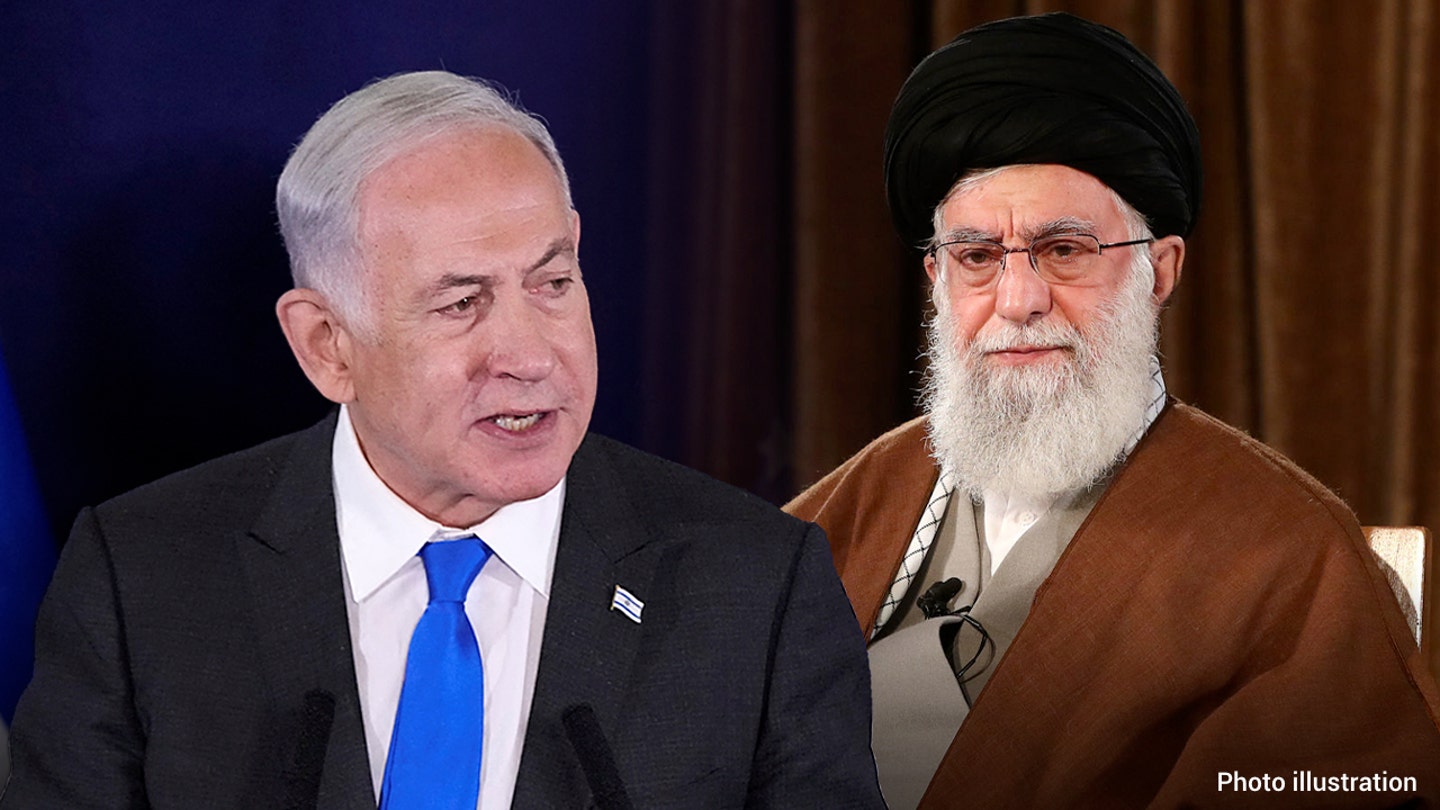
About the person in the images
-
Name: Mojtaba Khamenei
-
Born: 1969 in Mashhad, Iran
-
Role: Shia cleric and political figure
-
Family: Son of former Iranian Supreme Leader Ali Khamenei
-
Religion: Twelver Shia Islam
-
Education: Religious seminary studies in Qom
He is often described by analysts as a behind-the-scenes political operator who built strong connections with the Islamic Revolutionary Guard Corps and Iran’s clerical leadership.
Recent reports say he became Iran’s third Supreme Leader in March 2026 after the death of his father, marking the first time leadership passed from father to son since the Iranian Revolution of 1979.
-
Mojtaba Khamenei: The Quiet Power Broker Who Could Shape Iran’s Future
Introduction
The political landscape of Iran has long been dominated by powerful clerics and revolutionary institutions. Among the most influential yet least publicly visible figures is Mojtaba Khamenei, the son of Iran’s longtime Supreme Leader Ali Khamenei.
For years, Mojtaba Khamenei has operated largely behind the scenes, maintaining a low public profile while building significant influence within Iran’s political and security establishments. Analysts and political observers have frequently described him as one of the most powerful individuals inside the Islamic Republic.
As debates about Iran’s political future intensify, Mojtaba Khamenei’s role in shaping the country’s leadership and policies has drawn increasing attention.
Who Is Mojtaba Khamenei?
Mojtaba Khamenei was born in 1969 in Mashhad, one of Iran’s most important religious cities.
He is the second son of Ali Khamenei, who has served as Iran’s Supreme Leader since 1989 following the death of revolutionary leader Ruhollah Khomeini.
Unlike many political figures, Mojtaba has avoided the spotlight for most of his career. He rarely appears in public speeches or official political events.
Despite this low profile, insiders say he has played a crucial role in the political operations surrounding the office of the Supreme Leader.
Education and Religious Background
Mojtaba Khamenei pursued religious studies in the Iranian city of Qom, the center of Shiite clerical scholarship.
Students in Qom study Islamic law, theology, and philosophy in traditional seminaries known as hawzas.
Mojtaba eventually earned the clerical rank of Hojjatoleslam, indicating advanced religious education.
However, some critics have questioned whether his scholarly credentials meet the traditional expectations associated with Iran’s highest religious leadership.
Supporters argue that leadership within Iran’s system is based not only on religious scholarship but also on revolutionary commitment and political experience.
Connections With Iran’s Revolutionary Guard
One of Mojtaba Khamenei’s most important power bases is believed to be his relationship with the Islamic Revolutionary Guard Corps.
The Revolutionary Guard, often referred to as the IRGC, is a powerful military and political institution responsible for protecting the Islamic Republic.
Over the past decades, the IRGC has expanded its influence into Iran’s economy, politics, and regional military strategy.
Analysts believe Mojtaba has built strong relationships with senior IRGC commanders, which has significantly increased his political influence.
These ties have helped him maintain strong connections within Iran’s security establishment.
Role During the 2009 Election Crisis
Mojtaba Khamenei became widely known in political circles during the controversial 2009 presidential election in Iran.
The election resulted in the re-election of conservative president Mahmoud Ahmadinejad.
Following the announcement of the results, millions of Iranians protested in cities across the country, claiming electoral fraud.
The protests became known as the Iranian Green Movement.
Security forces responded with a large-scale crackdown on demonstrations.
Reports from political observers suggested Mojtaba played a role in coordinating support for Ahmadinejad and maintaining control during the crisis.
Although the Iranian government never confirmed these claims publicly, they contributed to Mojtaba’s reputation as a powerful figure within the system.
U.S. Sanctions Against Mojtaba Khamenei
In 2019, the United States Department of the Treasury imposed sanctions on Mojtaba Khamenei.
U.S. officials accused him of representing his father in official matters and coordinating policies linked to Iran’s security apparatus.
The sanctions were part of broader economic and political pressure placed on Iran during escalating tensions between Tehran and Washington.
Iranian authorities rejected the sanctions and described them as politically motivated.
Influence Within the Office of the Supreme Leader
The Office of the Supreme Leader is one of the most powerful institutions in Iran’s political structure.
It oversees major decisions related to national security, foreign policy, and military strategy.
Mojtaba Khamenei has reportedly served as a key intermediary between the Supreme Leader and senior officials in the government and military.
Some political analysts believe he has been involved in decision-making processes related to strategic issues, including regional alliances and internal political management.
Because of this role, he is often described as a “shadow figure” with substantial political authority.
Iran’s Regional Strategy
Iran has established strong political and military relationships with several groups across the Middle East.
These alliances are central to Iran’s regional strategy and influence.
One of the most prominent partners is Hezbollah in Lebanon.
Iran also maintains relationships with allied militias and governments in countries such as Iraq and Syria.
Observers believe Mojtaba Khamenei has supported the continuation of these alliances as part of Iran’s broader geopolitical strategy.
Domestic Challenges Facing Iran
Iran faces several domestic challenges that could shape the country’s future leadership.
Economic sanctions have significantly affected the Iranian economy, contributing to inflation and rising living costs.
Public frustration over economic hardship and political restrictions has occasionally led to protests in major cities.
Addressing these challenges will require careful political management from Iran’s leadership.
Debate Over Iran’s Leadership Succession
The question of who might eventually succeed Ali Khamenei has been widely discussed among analysts.
Iran’s constitution states that the Supreme Leader is chosen by the Assembly of Experts, a body of clerics elected by Iranian voters.
Mojtaba Khamenei’s name has frequently appeared in discussions about potential successors.
Supporters say his experience and connections make him a strong candidate.
Critics argue that appointing the son of the current Supreme Leader could create the appearance of hereditary leadership.
Such concerns are particularly sensitive in Iran, where the 1979 revolution originally overthrew a monarchy.
What Mojtaba Khamenei’s Rise Could Mean for Iran
If Mojtaba Khamenei were to play a larger leadership role, analysts expect significant continuity in Iran’s policies.
His political views are generally seen as closely aligned with those of his father.
This could mean continued emphasis on resistance to Western political pressure, strong support for regional allies, and the preservation of the Islamic Republic’s ideological foundations.
At the same time, Iran’s leadership will need to address internal economic pressures and growing demands for political reform.
Conclusion
Mojtaba Khamenei remains one of the most influential yet enigmatic figures in Iran’s political system.
Despite his limited public appearances, his connections with powerful institutions such as the Revolutionary Guard and the Office of the Supreme Leader have given him considerable influence.
As debates about Iran’s future leadership continue, Mojtaba’s role will remain a subject of intense interest among political observers both inside and outside the country.
Whether operating behind the scenes or stepping into a more visible leadership role, Mojtaba Khamenei is likely to remain a key figure shaping the future of Iran.
✅ Recommended SEO headline options for your news site
-
Who Is Mojtaba Khamenei? Inside the Rise of Iran’s Most Powerful Shadow Leader
-
Mojtaba Khamenei: The Secretive Cleric Influencing Iran’s Political Future
-
Inside Iran’s Power Circle: The Growing Influence of Mojtaba Khamenei
✅ SEO Meta Description
Mojtaba Khamenei, son of Iran’s Supreme Leader Ali Khamenei, has emerged as one of the most influential figures in Iran’s political system. Here’s what you need to know.
-
Frequently Asked Questions (FAQ)
Who is Mojtaba Khamenei?
Mojtaba Khamenei is an Iranian cleric and political figure known for his influence within the leadership of Iran. He is the second son of former Supreme Leader Ali Khamenei and has long been considered a powerful figure behind the scenes in Iranian politics.
When was Mojtaba Khamenei born?
Mojtaba Khamenei was born in 1969 in Mashhad, a major religious city in northeastern Iran known for its important Shiite pilgrimage sites.
What role does Mojtaba Khamenei play in Iran’s politics?
Although he has rarely held official government positions, Mojtaba Khamenei has been widely reported to have influence within the Office of the Supreme Leader, as well as strong connections with Iran’s security institutions such as the Islamic Revolutionary Guard Corps.
Is Mojtaba Khamenei a cleric?
Yes. Mojtaba Khamenei studied Islamic theology in the religious city of Qom and holds the clerical rank of Hojjatoleslam, a mid-level title in the Shiite religious hierarchy.
Why is Mojtaba Khamenei controversial?
Mojtaba Khamenei has been controversial due to allegations that he played a role in political decision-making during sensitive moments in Iran’s modern history, including the protests following the 2009 presidential election and the Iranian Green Movement.
Does Mojtaba Khamenei have ties to Iran’s military?
Political analysts often note that Mojtaba Khamenei has developed strong relationships with the Islamic Revolutionary Guard Corps, a powerful military and political institution that protects the Islamic Republic.
Has Mojtaba Khamenei faced international sanctions?
Yes. In 2019, the United States Department of the Treasury imposed sanctions on Mojtaba Khamenei, accusing him of representing his father in official matters and coordinating with Iran’s security apparatus.
Could Mojtaba Khamenei become Iran’s Supreme Leader?
Mojtaba Khamenei has frequently been mentioned in discussions about possible successors to Ali Khamenei. However, Iran’s constitution states that the Supreme Leader is selected by the Assembly of Experts.
What is Mojtaba Khamenei’s political ideology?
Mojtaba Khamenei is generally viewed as a conservative cleric who supports the principles of the Islamic Republic and the doctrine of Velayat-e Faqih, the political theory that grants authority to Islamic jurists.
Why is Mojtaba Khamenei important for Iran’s future?
Due to his influence within Iran’s political and security institutions, Mojtaba Khamenei is considered an important figure in discussions about the future leadership and political direction of the Islamic Republic.




 Posts
Posts


