Footage shows the moment Iranian missile debris fell on the Palm Jumeirah in Dubai, UAE.


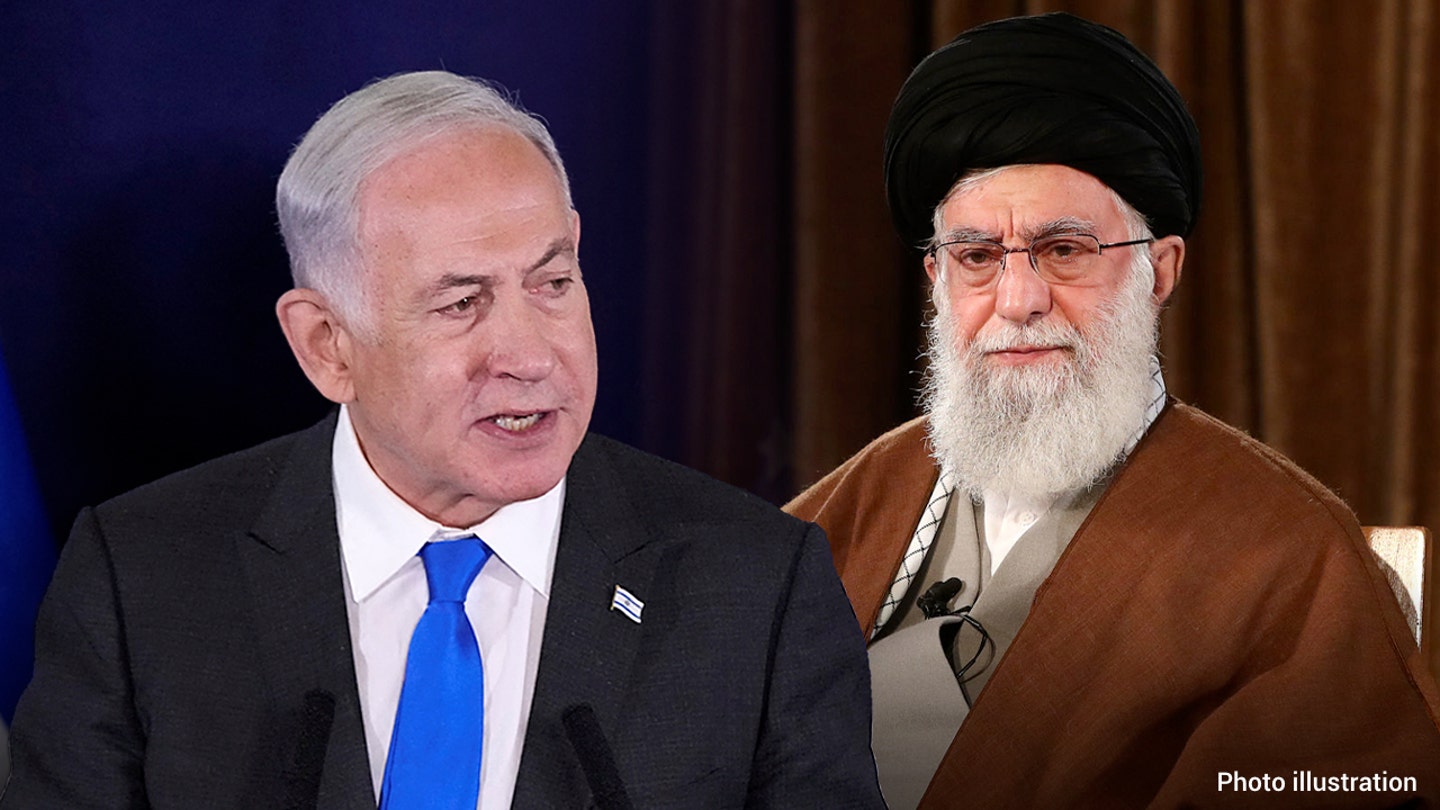
Iran–Israel War Escalates into Regional Conflict: U.S. Strikes Iran, Tehran Strikes Back Across Middle East
In a dramatic escalation of Middle East tensions, Iran and Israel have moved from long-running hostility to a full-blown conflict involving direct military action by the United States and retaliatory strikes by Tehran that have hit Israel, U.S. military bases, and multiple Gulf Arab states. The confrontations, which erupted on February 28, 2026, mark one of the most dangerous turning points in decades of regional instability and raise fears of a wider war.
Joint U.S.–Israel Military Strike on Iran
On February 28, 2026, the United States and Israel launched coordinated military operations against Iranian territory, initiating “major combat operations” aimed at crippling Iran’s military infrastructure and thwarting its nuclear ambitions. The campaign, referred to by some outlets as Operation Lion’s Roar, targeted key locations in Tehran and other Iranian cities, including sites linked to the country’s strategic command and missile capabilities.
U.S. President Donald Trump described the action as a necessary defensive move to eliminate what his administration called “imminent threats” posed by Tehran’s nuclear program and its regional proxy networks. Israeli leaders echoed this justification, portraying the strikes as a pre-emptive act to protect national security.
The initial strikes reportedly caused significant damage in Tehran, with explosions reported near government buildings and civilian areas. Tragically, even non-military targets such as a girls’ school were caught in the crossfire, with dozens of children reportedly killed — highlighting the human cost of this military escalation.
Iran’s Wide-Range Retaliatory Attacks
In response, Iran launched a barrage of missiles and drones at targets across the region. Tehran declared that all U.S. and Israeli assets in the Middle East were now legitimate targets following what it described as an illegal assault on Iranian sovereignty. The counterstrikes targeted:
-
Israel, prompting nationwide alerts and air defense mobilization.
-
U.S. military bases in Bahrain, Qatar, Kuwait, and the United Arab Emirates.
-
Missile launches heard over cities like Abu Dhabi and alarms across Gulf states.
In some Gulf countries, incoming missiles were largely intercepted by advanced air defense systems, though interception debris and shrapnel have already caused at least one confirmed fatality in the UAE capital Abu Dhabi.
The strikes also extended to areas in Jordan, Saudi Arabia, and Iraq, where U.S. assets are stationed, broadening the conflict footprint significantly.
Gulf States Drawn into the Conflict
Several Gulf nations have been directly impacted by Iran’s retaliatory strikes:
-
The United Arab Emirates condemned the attacks, insisting they violated national sovereignty and jeopardized civilian safety.
-
Bahrain, which hosts the U.S. Fifth Fleet headquarters, confirmed that ballistic missiles targeted its territory and denounced the actions as “treacherous.”
-
Saudi Arabia strongly denounced Iran’s attacks across the Gulf and pledged support for regional defense efforts.
-
Qatar and Kuwait reported intercepting Iranian missiles and closed their airspace due to security concerns.
The intensification of conflict with these states — most of whom maintain strategic partnerships with the United States — transforms what was a bilateral conflict into a broader regional crisis with global implications.
Global and Diplomatic Reactions
The international response to the outbreak of hostilities has been swift but varied:
-
Russia condemned the U.S.–Israel strikes on Iran as “unprovoked aggression,” warning that the attacks could trigger humanitarian, economic, and radiological disasters.
-
Many European nations and international bodies have urged all parties to exercise restraint and abide by international law to protect civilians and avoid wider war.
-
The United Kingdom issued urgent shelter advisories for its citizens in Gulf states, underlining the real-world danger the conflict poses beyond combatants.
Several nations, including Pakistan and others, have called for an immediate halt to hostilities and a return to diplomatic avenues to prevent further escalation.
Civilian Impact and Humanitarian Concerns
Beyond geopolitical maneuvering, the human toll of this conflict is mounting. Civilian casualties in Iran, particularly the tragic loss of children in school strikes, have drawn international outcry. The disruption of air travel, economic uncertainty, and fear among ordinary citizens across the Middle East complicate the situation further.
Residents of Gulf cities such as Abu Dhabi and Doha have reported sirens, interceptions, and widespread anxiety about future attacks, even as governments scramble to protect infrastructure and civilians.
Long-Term Implications and Risks
For decades, tensions between Iran and Israel have simmered due to disagreements over nuclear development, regional influence, and proxy warfare. However, the involvement of the United States and the subsequent regional backlash elevate this conflict to a new level of danger that threatens global security.
Major risks include:
-
Wider regional war involving Gulf states and possibly proxy actors such as militias in Iraq and Yemen.
-
Economic disruptions, particularly in oil markets, given the strategic importance of the Persian Gulf.
-
Diplomatic fractures, as world powers take sides or call for de-escalation.
While diplomatic negotiations had been underway prior to this outbreak, including U.S.–Iran talks aimed at nuclear limitation, those efforts have now been severely undermined by the sudden shift to military confrontation.
Concluding Statement:
The 2026 Iran–Israel war has evolved rapidly from a prolonged bilateral conflict to a broader geopolitical crisis drawing in the United States and multiple Middle Eastern states. What began with joint U.S.–Israeli strikes on Iranian territory has provoked sweeping retaliation from Tehran, targeting Israel, U.S. military bases, and Gulf Arab nations. Civilian casualties, airspace closures, and global diplomatic pressure underscore how perilous the situation has become.
As tensions continue to rise, the world watches closely — hoping that diplomatic efforts might still curtail the cycle of violence before it spirals into a wider, more devastating war.


 Posts
Posts


