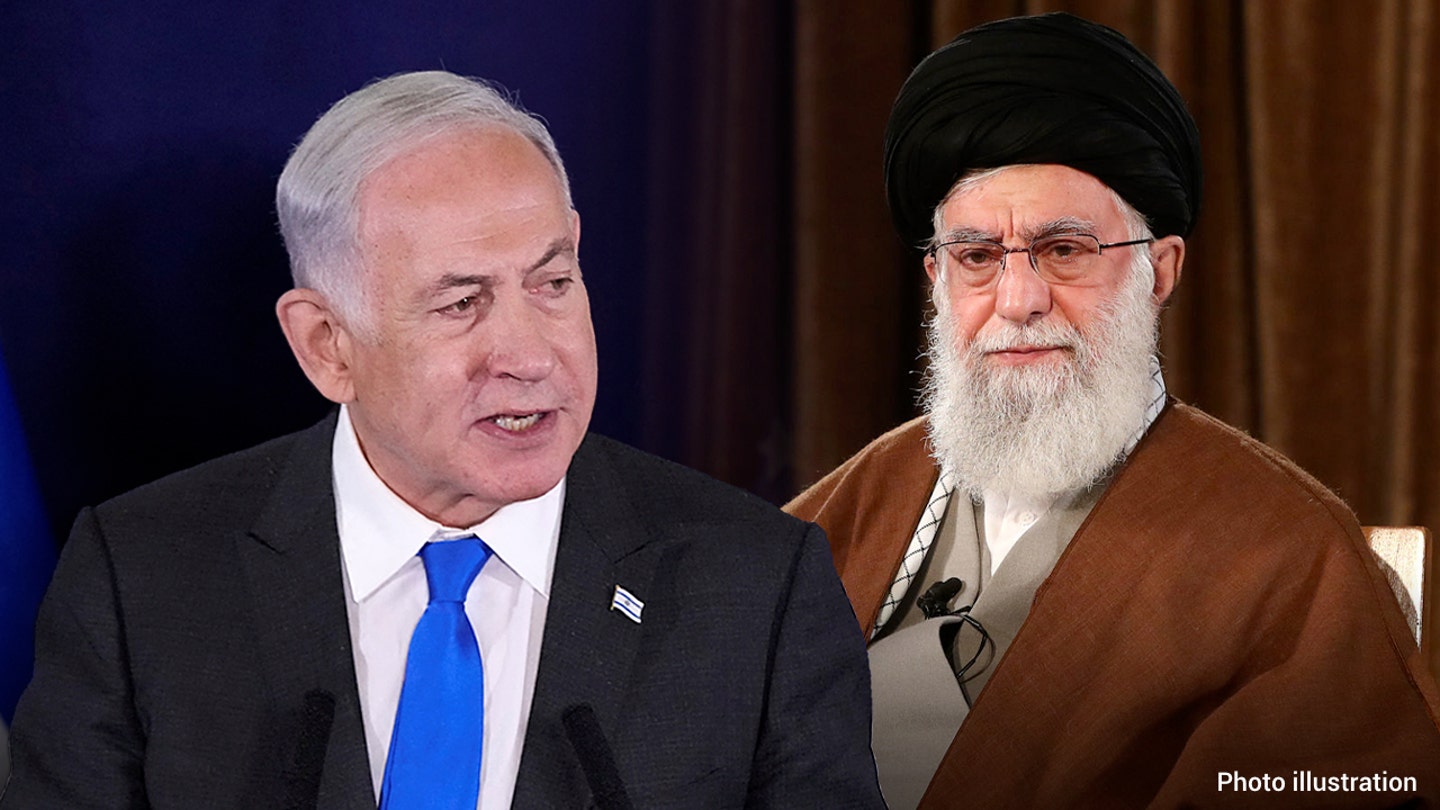
Showing posts with label Iran. Show all posts

Monday, March 9, 2026

Who Is Mojtaba Khamenei? Ayatollah Khamenei's son elected as Iran's Next Supreme Leader


  1. About the person in the images

    • Name: Mojtaba Khamenei

    • Born: 1969 in Mashhad, Iran

    • Role: Shia cleric and political figure

    • Family: Son of former Iranian Supreme Leader Ali Khamenei

    • Religion: Twelver Shia Islam

    • Education: Religious seminary studies in Qom

    He is often described by analysts as a behind-the-scenes political operator who built strong connections with the Islamic Revolutionary Guard Corps and Iran’s clerical leadership.

    Recent reports say he became Iran’s third Supreme Leader in March 2026 after the death of his father, marking the first time leadership passed from father to son since the Iranian Revolution of 1979. 

  2. Mojtaba Khamenei: The Quiet Power Broker Who Could Shape Iran’s Future

    Introduction

    The political landscape of Iran has long been dominated by powerful clerics and revolutionary institutions. Among the most influential yet least publicly visible figures is Mojtaba Khamenei, the son of Iran’s longtime Supreme Leader Ali Khamenei.

    For years, Mojtaba Khamenei has operated largely behind the scenes, maintaining a low public profile while building significant influence within Iran’s political and security establishments. Analysts and political observers have frequently described him as one of the most powerful individuals inside the Islamic Republic.

    As debates about Iran’s political future intensify, Mojtaba Khamenei’s role in shaping the country’s leadership and policies has drawn increasing attention.


    Who Is Mojtaba Khamenei?

    Mojtaba Khamenei was born in 1969 in Mashhad, one of Iran’s most important religious cities.

    He is the second son of Ali Khamenei, who has served as Iran’s Supreme Leader since 1989 following the death of revolutionary leader Ruhollah Khomeini.

    Unlike many political figures, Mojtaba has avoided the spotlight for most of his career. He rarely appears in public speeches or official political events.

    Despite this low profile, insiders say he has played a crucial role in the political operations surrounding the office of the Supreme Leader.


    Education and Religious Background

    Mojtaba Khamenei pursued religious studies in the Iranian city of Qom, the center of Shiite clerical scholarship.

    Students in Qom study Islamic law, theology, and philosophy in traditional seminaries known as hawzas.

    Mojtaba eventually earned the clerical rank of Hojjatoleslam, indicating advanced religious education.

    However, some critics have questioned whether his scholarly credentials meet the traditional expectations associated with Iran’s highest religious leadership.

    Supporters argue that leadership within Iran’s system is based not only on religious scholarship but also on revolutionary commitment and political experience.


    Connections With Iran’s Revolutionary Guard

    One of Mojtaba Khamenei’s most important power bases is believed to be his relationship with the Islamic Revolutionary Guard Corps.

    The Revolutionary Guard, often referred to as the IRGC, is a powerful military and political institution responsible for protecting the Islamic Republic.

    Over the past decades, the IRGC has expanded its influence into Iran’s economy, politics, and regional military strategy.

    Analysts believe Mojtaba has built strong relationships with senior IRGC commanders, which has significantly increased his political influence.

    These ties have helped him maintain strong connections within Iran’s security establishment.


    Role During the 2009 Election Crisis

    Mojtaba Khamenei became widely known in political circles during the controversial 2009 presidential election in Iran.

    The election resulted in the re-election of conservative president Mahmoud Ahmadinejad.

    Following the announcement of the results, millions of Iranians protested in cities across the country, claiming electoral fraud.

    The protests became known as the Iranian Green Movement.

    Security forces responded with a large-scale crackdown on demonstrations.

    Reports from political observers suggested Mojtaba played a role in coordinating support for Ahmadinejad and maintaining control during the crisis.

    Although the Iranian government never confirmed these claims publicly, they contributed to Mojtaba’s reputation as a powerful figure within the system.


    U.S. Sanctions Against Mojtaba Khamenei

    In 2019, the United States Department of the Treasury imposed sanctions on Mojtaba Khamenei.

    U.S. officials accused him of representing his father in official matters and coordinating policies linked to Iran’s security apparatus.

    The sanctions were part of broader economic and political pressure placed on Iran during escalating tensions between Tehran and Washington.

    Iranian authorities rejected the sanctions and described them as politically motivated.


    Influence Within the Office of the Supreme Leader

    The Office of the Supreme Leader is one of the most powerful institutions in Iran’s political structure.

    It oversees major decisions related to national security, foreign policy, and military strategy.

    Mojtaba Khamenei has reportedly served as a key intermediary between the Supreme Leader and senior officials in the government and military.

    Some political analysts believe he has been involved in decision-making processes related to strategic issues, including regional alliances and internal political management.

    Because of this role, he is often described as a “shadow figure” with substantial political authority.


    Iran’s Regional Strategy

    Iran has established strong political and military relationships with several groups across the Middle East.

    These alliances are central to Iran’s regional strategy and influence.

    One of the most prominent partners is Hezbollah in Lebanon.

    Iran also maintains relationships with allied militias and governments in countries such as Iraq and Syria.

    Observers believe Mojtaba Khamenei has supported the continuation of these alliances as part of Iran’s broader geopolitical strategy.


    Domestic Challenges Facing Iran

    Iran faces several domestic challenges that could shape the country’s future leadership.

    Economic sanctions have significantly affected the Iranian economy, contributing to inflation and rising living costs.

    Public frustration over economic hardship and political restrictions has occasionally led to protests in major cities.

    Addressing these challenges will require careful political management from Iran’s leadership.


    Debate Over Iran’s Leadership Succession

    The question of who might eventually succeed Ali Khamenei has been widely discussed among analysts.

    Iran’s constitution states that the Supreme Leader is chosen by the Assembly of Experts, a body of clerics elected by Iranian voters.

    Mojtaba Khamenei’s name has frequently appeared in discussions about potential successors.

    Supporters say his experience and connections make him a strong candidate.

    Critics argue that appointing the son of the current Supreme Leader could create the appearance of hereditary leadership.

    Such concerns are particularly sensitive in Iran, where the 1979 revolution originally overthrew a monarchy.


    What Mojtaba Khamenei’s Rise Could Mean for Iran

    If Mojtaba Khamenei were to play a larger leadership role, analysts expect significant continuity in Iran’s policies.

    His political views are generally seen as closely aligned with those of his father.

    This could mean continued emphasis on resistance to Western political pressure, strong support for regional allies, and the preservation of the Islamic Republic’s ideological foundations.

    At the same time, Iran’s leadership will need to address internal economic pressures and growing demands for political reform.


    Conclusion

    Mojtaba Khamenei remains one of the most influential yet enigmatic figures in Iran’s political system.

    Despite his limited public appearances, his connections with powerful institutions such as the Revolutionary Guard and the Office of the Supreme Leader have given him considerable influence.

    As debates about Iran’s future leadership continue, Mojtaba’s role will remain a subject of intense interest among political observers both inside and outside the country.

    Whether operating behind the scenes or stepping into a more visible leadership role, Mojtaba Khamenei is likely to remain a key figure shaping the future of Iran.


    Recommended SEO headline options for your news site

    1. Who Is Mojtaba Khamenei? Inside the Rise of Iran’s Most Powerful Shadow Leader

    2. Mojtaba Khamenei: The Secretive Cleric Influencing Iran’s Political Future

    3. Inside Iran’s Power Circle: The Growing Influence of Mojtaba Khamenei


    SEO Meta Description

    Mojtaba Khamenei, son of Iran’s Supreme Leader Ali Khamenei, has emerged as one of the most influential figures in Iran’s political system. Here’s what you need to know.


Frequently Asked Questions (FAQ)

Who is Mojtaba Khamenei?

Mojtaba Khamenei is an Iranian cleric and political figure known for his influence within the leadership of Iran. He is the second son of former Supreme Leader Ali Khamenei and has long been considered a powerful figure behind the scenes in Iranian politics.


When was Mojtaba Khamenei born?

Mojtaba Khamenei was born in 1969 in Mashhad, a major religious city in northeastern Iran known for its important Shiite pilgrimage sites.


What role does Mojtaba Khamenei play in Iran’s politics?

Although he has rarely held official government positions, Mojtaba Khamenei has been widely reported to have influence within the Office of the Supreme Leader, as well as strong connections with Iran’s security institutions such as the Islamic Revolutionary Guard Corps.


Is Mojtaba Khamenei a cleric?

Yes. Mojtaba Khamenei studied Islamic theology in the religious city of Qom and holds the clerical rank of Hojjatoleslam, a mid-level title in the Shiite religious hierarchy.


Why is Mojtaba Khamenei controversial?

Mojtaba Khamenei has been controversial due to allegations that he played a role in political decision-making during sensitive moments in Iran’s modern history, including the protests following the 2009 presidential election and the Iranian Green Movement.


Does Mojtaba Khamenei have ties to Iran’s military?

Political analysts often note that Mojtaba Khamenei has developed strong relationships with the Islamic Revolutionary Guard Corps, a powerful military and political institution that protects the Islamic Republic.


Has Mojtaba Khamenei faced international sanctions?

Yes. In 2019, the United States Department of the Treasury imposed sanctions on Mojtaba Khamenei, accusing him of representing his father in official matters and coordinating with Iran’s security apparatus.


Could Mojtaba Khamenei become Iran’s Supreme Leader?

Mojtaba Khamenei has frequently been mentioned in discussions about possible successors to Ali Khamenei. However, Iran’s constitution states that the Supreme Leader is selected by the Assembly of Experts.


What is Mojtaba Khamenei’s political ideology?

Mojtaba Khamenei is generally viewed as a conservative cleric who supports the principles of the Islamic Republic and the doctrine of Velayat-e Faqih, the political theory that grants authority to Islamic jurists.


Why is Mojtaba Khamenei important for Iran’s future?

Due to his influence within Iran’s political and security institutions, Mojtaba Khamenei is considered an important figure in discussions about the future leadership and political direction of the Islamic Republic.


Monday, March 2, 2026

Iran: A Deep Dive into Its History, Culture, Politics, Religion, and the Struggle for Freedom


Iran: A Deep Dive into Its History, Culture, Politics, Religion, and the Struggle for Freedom

Iran is one of the most historically rich and politically complex countries in the world. Located in Western Asia, it sits at the crossroads of civilizations and has played a crucial role in global history for thousands of years. With a civilization dating back thousands of years, Iran has shaped world culture, religion, trade, and politics. Today, it is known both for its ancient heritage and for the political tensions surrounding its modern Islamic government.

Understanding Iran requires examining its past, its people, its religious identity, its political system, and the ongoing struggles within its society, especially regarding democracy and women's rights.


1. Iran’s Ancient Civilization and Historical Roots

Iran is home to one of the world’s oldest continuous civilizations, with urban settlements dating back to at least the 5th millennium BCE.

Historically, Iran was known as Persia, a name used internationally until 1935. Persian civilization produced some of the most powerful empires in history.


Achaemenid Empire (550–330 BCE)

The Persian Empire began with Cyrus the Great, who created one of the largest empires in the ancient world. His empire stretched from India to Egypt and Greece.

Key characteristics of this empire:

  • Religious tolerance

  • Advanced administration

  • Early human rights concepts

  • Infrastructure such as roads and postal systems

The Cyrus Cylinder, often described as the first charter of human rights, reflects the Persian philosophy of governance.


Later Persian Empires

After the Achaemenids, several Persian dynasties ruled Iran:

  • Parthian Empire

  • Sassanian Empire

These empires were powerful rivals to Rome and Byzantium, controlling major trade routes including the Silk Road.

Iran’s long cultural continuity means modern Iranians often refer to themselves as Persians, reflecting pride in this ancient heritage.


2. Iran in the Modern Era

The Qajar Period (1789–1925)

During the Qajar dynasty, Iran faced heavy influence from Russia and Britain. The country became a key area in the Great Game, a geopolitical rivalry between the two empires.

This era saw:

  • Political weakness

  • Economic decline

  • Foreign interference

These pressures eventually triggered reform movements and constitutional changes.


The Pahlavi Dynasty

In 1925, Reza Shah founded the Pahlavi dynasty.

His rule modernized Iran significantly:

  • Railways

  • Modern universities

  • Western legal reforms

  • Industrial development

Later, his son Mohammad Reza Shah Pahlavi continued modernization.

However, many Iranians criticized the Shah for:

  • Authoritarian rule

  • Close alliance with the United States

  • Suppression of political opposition

These tensions eventually led to revolution.


3. The 1979 Iranian Revolution


One of the most important events in modern Middle Eastern history was the Iranian Revolution.

This revolution overthrew the monarchy and created a new political system.

Causes of the Revolution

Several factors contributed:

  1. Political repression by the Shah

  2. Economic inequality

  3. Western influence

  4. Religious opposition

The revolution was led by Ruhollah Khomeini.

After the revolution, Iran was declared an Islamic Republic, combining political authority with religious leadership.


4. Iran’s Political System Today

Iran has a unique political structure combining democratic institutions and religious authority.

Key Institutions

Supreme Leader

The most powerful figure in Iran is the Supreme Leader, who oversees:

  • The military

  • Judiciary

  • Media

  • Foreign policy

After Khomeini’s death in 1989, leadership passed to Ali Khamenei.

Recent developments suggest political uncertainty following his death in 2026 and debates over succession.


President

Iran also elects a president responsible for day-to-day government operations.

However, the president’s authority is limited by religious institutions.

Guardian Council

This powerful body reviews laws and determines which candidates can run for office.


5. Religion and Islam in Iran

Religion plays a central role in Iranian society and politics.

The majority of Iranians follow Shia Islam.

Iran is the world’s largest Shia Muslim country.

Key religious ideas influencing politics:

  • Islamic law (Sharia)

  • Religious leadership by clerics

  • Guardianship of the Islamic jurist (Velayat-e Faqih)

This doctrine states that a religious scholar should lead the nation.


6. Iranian Culture and Society

Despite political controversies, Iran has an incredibly rich culture.

Language

The official language is Persian (Farsi).

Iran is ethnically diverse, including:

  • Persians

  • Azeris

  • Kurds

  • Arabs

  • Baluch


Literature

Iran has one of the greatest literary traditions in history.

Famous poets include:

  • Rumi

  • Hafez

  • Ferdowsi

Their works influence literature across the world.

Persian Cuisine

Iranian food is known for:

  • Rice dishes

  • Kebabs

  • Saffron flavors

  • Fresh herbs

Popular foods include:

  • Kebab

  • Ghormeh Sabzi


7. Women’s Rights and Freedom in Iran

One of the most controversial aspects of Iranian society today is the issue of women’s rights.

Legal Restrictions

Women face several legal limitations:

  • Mandatory hijab laws

  • Restrictions in marriage and divorce

  • Limitations in travel without husband’s permission

Under Iranian law, women do not have equal rights in several legal areas including marriage, custody, and public participation.

Women also face restrictions in employment and public life.


The “Woman, Life, Freedom” Movement

In 2022, protests erupted after the death of Mahsa Amini.

She died after being detained by morality police for allegedly violating hijab rules.

This sparked global protests under the slogan:

“Woman, Life, Freedom.”

These protests became one of the biggest challenges to the Iranian government.

Many activists and young people demanded:

  • Women's freedom

  • Political reform

  • End to religious policing

Women’s activism has become a symbol of resistance against the system.


8. Human Rights and Global Criticism

Iran has faced international criticism over:

  • Freedom of speech

  • Political prisoners

  • Execution rates

  • Internet censorship

Human rights organizations have documented widespread restrictions on press, protests, and political opposition.

The government has repeatedly cracked down on protests and dissent.


9. Iran’s Economy

Iran has one of the largest economies in the Middle East.

Major industries include:

  • Oil and gas

  • Petrochemicals

  • Mining

  • Agriculture

Iran holds some of the largest oil and natural gas reserves in the world.

However, international sanctions have severely affected its economy.

Economic problems include:

  • Inflation

  • Unemployment

  • Currency collapse


10. Iran’s Role in Global Politics

Iran plays a major role in Middle Eastern geopolitics.

It has strong influence in:

  • Iraq

  • Syria

  • Lebanon

  • Yemen

Through alliances and proxy groups, Iran seeks to expand its regional influence.

Iran also has tense relations with:

  • United States

  • Israel

  • Saudi Arabia

The country’s nuclear program has been a major international concern.


11. Iranian Society: A Contrast Between Tradition and Modernity

Iranian society is full of contradictions.

While the government enforces strict religious rules, many young Iranians embrace:

  • modern culture

  • technology

  • global trends

Iran has a very young population, and many citizens want greater freedoms.

Despite censorship, Iranians actively use:

  • VPNs

  • Social media

  • global platforms

to connect with the world.


12. The Future of Iran

The future of Iran remains uncertain.

Several factors will shape its future:

  1. Leadership transitions

  2. Economic reforms

  3. Public protests

  4. Women’s rights movements

Iran’s young population is increasingly demanding change.

Whether these demands lead to reforms or further political tension remains to be seen.


Conclusion

Iran is a nation of deep contrasts.

It is:

  • one of the oldest civilizations on earth

  • home to rich culture and literature

  • governed by a powerful religious state

  • experiencing growing social tensions

The struggle between tradition and modernity, religion and democracy, and authority and freedom defines modern Iran.

At the center of this struggle stands the Iranian people — especially women and youth — who continue to shape the country’s future.

Saturday, February 28, 2026

Official announcement by Donald Trump - Ayatollah Al Khamenei is dead.

 Official announcement by Donald Trump - Ayatollah Al Khamenei is dead.


#Iran, #Khamenei, #BreakingNews, #MiddleEast, #War


🔥 Primary Trending Keywords

These are high-impact terms related to current events:

  • Iran Supreme Leader death

  • Khamenei death confirmed

  • Netanyahu on Iran’s leader

  • Iran Israel conflict 2026

  • Iran supreme leader killed

  • Iran war breaking news

  • Israel Iran escalation

  • Middle East crisis 2026

  • World news Iran leader

📌 Long-Tail Keywords (Great for ranking fast)

Longer search phrases with lower competition:

  • “Iran Ayatollah Khamenei death confirmed live updates”

  • “Netanyahu report on Iran supreme leader death”

  • “What happens if Iran’s supreme leader dies 2026”

  • “Iran Israel conflict impact global politics”

  • “Analysis of Iran leadership succession 2026”

  • “Iran reaction to Khamenei death claims”

  • “Satellite imagery Tehran attack news”

  • “Middle East war latest news U.S. Israel Iran”

🔁 Supporting Semantic Keywords

Include these throughout the text (headers, first 150 words, and meta description):

  • Tehran attack

  • Iranian regime

  • Assembly of Experts

  • Global security implications

  • Persian Gulf tensions

  • U.S.–Israel military operations

  • Geopolitical fallout

  • Iran retaliation

  • Gulf region conflict


🧠 2. Optimize for Search Engines (SEO Best Practices)

🔹 Meta Title (60–70 characters)

Examples:

  • Iran Supreme Leader Death Reported — Khamenei Dead? Latest Updates

  • Breaking: Netanyahu Says Iran’s Ayatollah Khamenei Confirmed Dead — 2026 Developments

🔹 Meta Description (140–160 characters)

Examples:

  • Latest: Reports claim Iran’s Supreme Leader Khamenei is dead after U.S.–Israel strikes. Netanyahu comments, global reactions, and conflict updates.

  • Breaking news: Iran’s Ayatollah Khamenei reportedly killed. What this means for the Middle East conflict and world security. Read the full analysis.

🔹 Use Headings Strategically (H1, H2, H3)

Search engines favor structured content. Example header path:

  • H1: Iran Supreme Leader Death Confirmed? Breaking Report

  • H2: What We Know: Netanyahu Statement & Conflicting Claims

  • H2: Who Was Ayatollah Khamenei?

  • H2: Possible Impact on Iran and the Middle East

  • H2: Global Reactions & Security Implications

  • H3: What Happens Next If the Report Is True?

  • H3: FAQs Around Iran Leadership Succession

🔹 Internal & External Linking

  • Link internally to related posts on your blog (e.g., Middle East war updates, Israel–Iran conflict timeline).

  • Link externally to trusted news sources like Reuters, AP, BBC, Al Jazeera (these help SEO credibility).


🚀 3. Hook Lines to Go Viral

Your headline or first sentence determines whether someone clicks, shares, or scrolls past. Use emotional triggers, urgency, and curiosity:

🔥 Viral Hook Lines (Copy-Paste)

  1. “BREAKING: Iran’s Supreme Leader Reportedly Dead — World on Edge.”

  2. “Netanyahu Claims Khamenei Is Dead — Global Shockwaves Rip Through Middle East.”

  3. “Exclusive: Iran Leader Killed? What This Means for the 2026 Conflict.”

  4. “Massive Turning Point — Iran Supreme Leader Reportedly Eliminated After Strikes.”

  5. “2026 World Crisis: Iran’s Most Powerful Man Is Reportedly Dead.”

  6. “Live Update: Netanyahu Says Khamenei Has Been Found Dead — Conflicting Reports Emerge.”

  7. “History in the Making — Iran’s Top Leader Reportedly Killed in Major Strikes.”

  8. “If Iran’s Supreme Leader Is Dead — The World Will Never Be the Same.”

  9. “Breaking Now: Iran in Chaos After Supreme Leader Death Report.”

  10. “Unconfirmed But Explosive — Khamenei Reported Dead After U.S.–Israel Assault.”

🧠 Emotional + SEO Hook Formulas

Use these structures to craft headlines that rank AND convert:

  • [Breaking Event] + [Leader Name] + [Conflict Word]

  • What Happens Next If [Event] Happens

  • Exclusive: [Report] Explained

  • Latest Update: [Breaking Claim] + [Location]

  • Why [Event] Might Change [Wide Theme] (Global Politics, Security, Oil Markets)


📣 4. Marketing & Distribution Plan

🔊 Social Media

  • Twitter: Use trending hashtags like #Iran, #Khamenei, #BreakingNews, #MiddleEast, #War.

  • Reddit: Post in r/worldnews, r/geopolitics, r/MiddleEast.

  • LinkedIn: Publish a shorter thought-leadership version with executive summary and global impact.

  • Facebook: Share clearest hook + image carousel + “read more” link.

📨 Newsletters

Send as a breaking alert with a compelling hook:

  • “Exclusive Report: Is Iran’s Supreme Leader Really Dead?”

  • Provide 3 bullet takeaways and link back to the full article.

📊 Visual Boost (Vital for Virality)

  • Use infographics summarizing the report.

  • Add timeline visuals of attacks and responses.

  • Deploy maps showing locations mentioned.


📷 Suggested Visual Tags

Use ALT text that supports SEO:

  • “Map of Iran highlighting reported attack on Supreme Leader compound”

  • “Global reaction to death of Ayatollah Ali Khamenei”

  • “Timeline of strikes on Tehran 2026 Middle East conflict”

  • “Netanyahu address on Iran leadership situation”


⏱ Frequency & Updates

Because this is breaking news, update often:

  • Update #1: Within 1 hour with confirmation/denial details

  • Update #2: Within 3–6 hours with reactions from world leaders

  • Update #3: Next day with analysis of political implications

Search engines boost frequently updated content around fast-moving events.


📌 Quick Checklist Before Publishing

✔ Title optimized with primary keywords
✔ Meta description written
✔ Headers structured (H1, H2, H3)
✔ Keywords naturally sprinkled every 150–250 words
✔ Internal and external links included
✔ Images with SEO alt text
✔ Social hook lines prepared


Dubai International Airport Shut Down Amid Iran Missile Escalation: Global Aviation Network Disrupted


Dubai International Airport Shut Down Amid Iran Missile Escalation: Global Aviation Network Disrupted

Dubai has effectively shut down. The world’s busiest international airport is closed indefinitely following escalating regional tensions and missile activity across Gulf airspace.

On February 28, Dubai Airports confirmed that operations at both Dubai International Airport (DXB) and Al Maktoum International Airport (DWC) were suspended due to safety concerns. More than 280 flights were cancelled
, with at least 250 additional delays, as Iranian ballistic missiles were reported moving through regional airspace.

This is not a routine disruption. It is one of the most significant aviation shutdowns in modern Middle Eastern history — and its ripple effects are being felt across the global air transport system.


Why Dubai’s Airport Closure Is a Global Aviation Crisis

Dubai International Airport is not just another international hub. For years, DXB has ranked as the world’s busiest airport for international passengers, serving as the primary transit bridge between Asia, Europe, Africa, and the Middle East.

When Dubai’s airspace closes, global aviation does not simply reroute — it fractures.

Flights connecting Mumbai to London, Singapore to Frankfurt, Nairobi to New York, and dozens of other high-traffic routes typically pass through Gulf air corridors. With missile activity forcing airspace restrictions, airlines have had no choice but to cancel flights, suspend operations, or undertake costly thousand-mile detours.


Major Airlines Grounded or Rerouting Flights

The scale of airline disruption underscores the seriousness of the crisis. Among those impacted:

  • Emirates – Grounded

  • Etihad Airways – Grounded

  • Qatar Airways – Suspended all flights to and from Doha after Qatari airspace closure

  • Air India – Suspended all Middle East operations indefinitely

  • Turkish Airlines – Suspended flights to Bahrain, Iraq, Iran, Jordan, Kuwait, Lebanon, Oman, Syria, Qatar, and the UAE

  • Lufthansa – Dubai operations suspended

  • Air France – Tel Aviv and Beirut routes suspended

  • Wizz Air – Suspended Israel, Dubai, Abu Dhabi, and Amman routes until March 7

  • British Airways – Operations affected

  • Virgin Atlantic – Operations affected

  • Japan Airlines – Operations affected

Additional carriers including Norwegian Air, LOT Polish Airlines, Scandinavian Airlines, Aegean Airlines, Iberia, Air Arabia, PIA, Saudia, and Air Algerie have either grounded aircraft or rerouted services.

Low-cost carrier IndiGo announced suspension of flights to Almaty, Baku, Tashkent, and Tbilisi until March 28, indicating that the disruption may extend far beyond a temporary security pause.

This is no longer a localized event — it is a systemic shock to global aviation infrastructure.


Airspace Closure and Regional Security Concerns

The closure follows missile activity linked to escalating tensions involving Iran and regional actors. The shutdown also came amid broader Gulf airspace restrictions, including reported closures affecting Qatar and Bahrain.

The strategic location of the United Arab Emirates places it at the crossroads of some of the world’s busiest aviation corridors. When missile trajectories intersect with commercial flight paths, aviation authorities have little choice but to ground traffic.

Safety protocols require immediate suspension when ballistic missile risk enters civilian flight corridors. The decision reflects international aviation standards designed to prevent tragedies similar to past airspace conflict disasters.


Oil Prices Surge as Strait of Hormuz Tensions Rise

The aviation crisis is unfolding alongside rising energy market volatility.

Oil prices have reportedly surged past $100 per barrel, driven by fears that conflict could threaten the Strait of Hormuz, the strategic waterway through which approximately 21 million barrels of oil per day transit.

Airlines now face a double financial blow:

  1. Increased fuel consumption from longer rerouting paths

  2. Higher fuel prices due to geopolitical instability

For an industry already operating on narrow profit margins, these combined pressures create a compounding financial strain.

Every additional hour of Gulf airspace closure magnifies economic losses across global carriers.


Economic Impact on Dubai and the UAE

Dubai’s economy is built on connectivity. Tourism, trade, logistics, financial services, and international business all rely on seamless air access.

DXB is not just an airport — it is the backbone of Dubai’s economic model.

The United Arab Emirates has long positioned itself as a neutral, stable, and secure hub in a volatile region. The sudden suspension of its primary aviation gateway challenges that perception and introduces new economic risks.

Reports indicate that missile debris caused at least one civilian fatality in Abu Dhabi, underscoring the broader security implications for the UAE.

If the shutdown extends beyond several days, impacts could include:

  • Tourism cancellations

  • Supply chain disruptions

  • Delays in cargo shipments

  • Financial market volatility

  • Reduced investor confidence


Global Aviation Network Under Pressure

Dubai functions as one of the world’s most critical aviation nodes. When a major hub like DXB goes offline, cascading effects ripple outward:

  • Aircraft rotation schedules collapse

  • Crews exceed legal duty hours

  • Airport slots become misaligned

  • Cargo supply chains stall

  • Insurance premiums increase

Flights that typically cross the Gulf must now detour over alternative corridors, adding significant flight time and fuel burn. Some long-haul routes may become temporarily unviable without refueling stops.

This is more than a Middle Eastern disruption — it is a global aviation bottleneck affecting Europe, Asia, Africa, and North America simultaneously.


What Happens Next?

The duration of the shutdown will depend on:

  • Regional de-escalation efforts

  • Airspace safety assessments

  • Missile activity risk reduction

  • Diplomatic intervention

If tensions ease quickly, operations may resume within days. However, extended instability could force airlines to permanently redesign routing strategies in the Gulf region.

The longer the airspace remains closed, the more expensive and structurally disruptive the consequences become.


Conclusion: A Turning Point for Gulf Stability

The suspension of operations at Dubai’s airports marks a significant geopolitical and economic turning point. What began as a regional security escalation has now disrupted one of the world’s most essential aviation hubs.

Iran’s missile activity did not only target military infrastructure — it triggered the temporary shutdown of the Gulf’s primary economic gateway.

Whether this crisis proves temporary or transformational will depend on diplomatic developments in the coming days. But one fact is clear:

When Dubai International Airport goes dark, the global aviation system feels the shock.

Iran–Israel War Escalates into Regional Conflict: U.S. Strikes Iran, Tehran Strikes Back Across Middle East

Footage shows the moment Iranian missile debris fell on the Palm Jumeirah in Dubai, UAE.


Iran–Israel War Escalates into Regional Conflict: U.S. Strikes Iran, Tehran Strikes Back Across Middle East

In a dramatic escalation of Middle East tensions, Iran and Israel have moved from long-running hostility to a full-blown conflict involving direct military action by the United States and retaliatory strikes by Tehran that have hit Israel, U.S. military bases, and multiple Gulf Arab states. The confrontations, which erupted on February 28, 2026, mark one of the most dangerous turning points in decades of regional instability and raise fears of a wider war.

Joint U.S.–Israel Military Strike on Iran

On February 28, 2026, the United States and Israel launched coordinated military operations against Iranian territory, initiating “major combat operations” aimed at crippling Iran’s military infrastructure and thwarting its nuclear ambitions. The campaign, referred to by some outlets as Operation Lion’s Roar, targeted key locations in Tehran and other Iranian cities, including sites linked to the country’s strategic command and missile capabilities.

U.S. President Donald Trump described the action as a necessary defensive move to eliminate what his administration called “imminent threats” posed by Tehran’s nuclear program and its regional proxy networks. Israeli leaders echoed this justification, portraying the strikes as a pre-emptive act to protect national security.

The initial strikes reportedly caused significant damage in Tehran, with explosions reported near government buildings and civilian areas. Tragically, even non-military targets such as a girls’ school were caught in the crossfire, with dozens of children reportedly killed — highlighting the human cost of this military escalation.

Iran’s Wide-Range Retaliatory Attacks

In response, Iran launched a barrage of missiles and drones at targets across the region. Tehran declared that all U.S. and Israeli assets in the Middle East were now legitimate targets following what it described as an illegal assault on Iranian sovereignty. The counterstrikes targeted:

  • Israel, prompting nationwide alerts and air defense mobilization.

  • U.S. military bases in Bahrain, Qatar, Kuwait, and the United Arab Emirates.

  • Missile launches heard over cities like Abu Dhabi and alarms across Gulf states.

In some Gulf countries, incoming missiles were largely intercepted by advanced air defense systems, though interception debris and shrapnel have already caused at least one confirmed fatality in the UAE capital Abu Dhabi.

The strikes also extended to areas in Jordan, Saudi Arabia, and Iraq, where U.S. assets are stationed, broadening the conflict footprint significantly.

Gulf States Drawn into the Conflict

Several Gulf nations have been directly impacted by Iran’s retaliatory strikes:

  • The United Arab Emirates condemned the attacks, insisting they violated national sovereignty and jeopardized civilian safety.

  • Bahrain, which hosts the U.S. Fifth Fleet headquarters, confirmed that ballistic missiles targeted its territory and denounced the actions as “treacherous.”

  • Saudi Arabia strongly denounced Iran’s attacks across the Gulf and pledged support for regional defense efforts.

  • Qatar and Kuwait reported intercepting Iranian missiles and closed their airspace due to security concerns.

The intensification of conflict with these states — most of whom maintain strategic partnerships with the United States — transforms what was a bilateral conflict into a broader regional crisis with global implications.

Global and Diplomatic Reactions

The international response to the outbreak of hostilities has been swift but varied:

  • Russia condemned the U.S.–Israel strikes on Iran as “unprovoked aggression,” warning that the attacks could trigger humanitarian, economic, and radiological disasters.

  • Many European nations and international bodies have urged all parties to exercise restraint and abide by international law to protect civilians and avoid wider war.

  • The United Kingdom issued urgent shelter advisories for its citizens in Gulf states, underlining the real-world danger the conflict poses beyond combatants.

Several nations, including Pakistan and others, have called for an immediate halt to hostilities and a return to diplomatic avenues to prevent further escalation.

Civilian Impact and Humanitarian Concerns

Beyond geopolitical maneuvering, the human toll of this conflict is mounting. Civilian casualties in Iran, particularly the tragic loss of children in school strikes, have drawn international outcry. The disruption of air travel, economic uncertainty, and fear among ordinary citizens across the Middle East complicate the situation further.

Residents of Gulf cities such as Abu Dhabi and Doha have reported sirens, interceptions, and widespread anxiety about future attacks, even as governments scramble to protect infrastructure and civilians.

Long-Term Implications and Risks

For decades, tensions between Iran and Israel have simmered due to disagreements over nuclear development, regional influence, and proxy warfare. However, the involvement of the United States and the subsequent regional backlash elevate this conflict to a new level of danger that threatens global security.

Major risks include:

  • Wider regional war involving Gulf states and possibly proxy actors such as militias in Iraq and Yemen.

  • Economic disruptions, particularly in oil markets, given the strategic importance of the Persian Gulf.

  • Diplomatic fractures, as world powers take sides or call for de-escalation.

While diplomatic negotiations had been underway prior to this outbreak, including U.S.–Iran talks aimed at nuclear limitation, those efforts have now been severely undermined by the sudden shift to military confrontation.

Concluding Statement:

The 2026 Iran–Israel war has evolved rapidly from a prolonged bilateral conflict to a broader geopolitical crisis drawing in the United States and multiple Middle Eastern states. What began with joint U.S.–Israeli strikes on Iranian territory has provoked sweeping retaliation from Tehran, targeting Israel, U.S. military bases, and Gulf Arab nations. Civilian casualties, airspace closures, and global diplomatic pressure underscore how perilous the situation has become.

As tensions continue to rise, the world watches closely — hoping that diplomatic efforts might still curtail the cycle of violence before it spirals into a wider, more devastating war.

De'Longhi Magnifica Plus Fully Automatic Espresso Machine - Brew 18+ One Touch Coffee Recipes

De'Longhi Magnifica Plus Fully Automatic Espresso Machine - Brew 18+ One Touch Coffee Recipes
18 ONE-TOUCH RECIPES: Enjoy Espresso, Latte Macchiatos, Cappuccinos, Americanos, Iced Coffee, & more at the touch of a button. With 4 drink sizes and 5 intensity options, easily adjust drinks to fit your preference. BUILT-IN GRINDER: The built-in conical burr grinder delivers a precise, consistent dose of freshly ground coffee when brewing. With 13 settings, this grinder ensures that your coffee beans are finely and evenly ground to bring out a rich flavor and aroma. LATTECREMA HOT SYSTEM: De'Longhi’s proprietary technology textures both milk and milk alternatives. The automatic system delivers creamy frothed milk leaving you with a perfect end result. With 3 froth settings - light foam, creamy foam, and dense foam - adjust the texture to fit your preference. SIMPLE & INTUITIVE DISPLAY: The 3.5” TFT full-touch & color display are designed to guide you as you craft your perfect beverage. Navigation is simple and user-friendly, allowing you to sort through and customize recipes easily. USER PROFILES: Save and personalize your drink recipes with 4 different user profiles. Choose from 4 sizes and 5 intensities to craft your perfect drink. Additionally, the Magnifica Plus system recognizes your preferences and is programmed to list your most frequently selected drinks first in the menu, saving you time searching for your favorite recipes. EASY TO CLEAN: Removable and dishwasher-safe parts for easy clean up, giving you more time to enjoy your drink.

Blog

Blogarama - Blog Directory